
 In part 1 of our recent article we explored the wider ecological impact of beavers and how they support diverse ecosystems. Now, we look at their day-to-day habits and local reintroduction efforts.
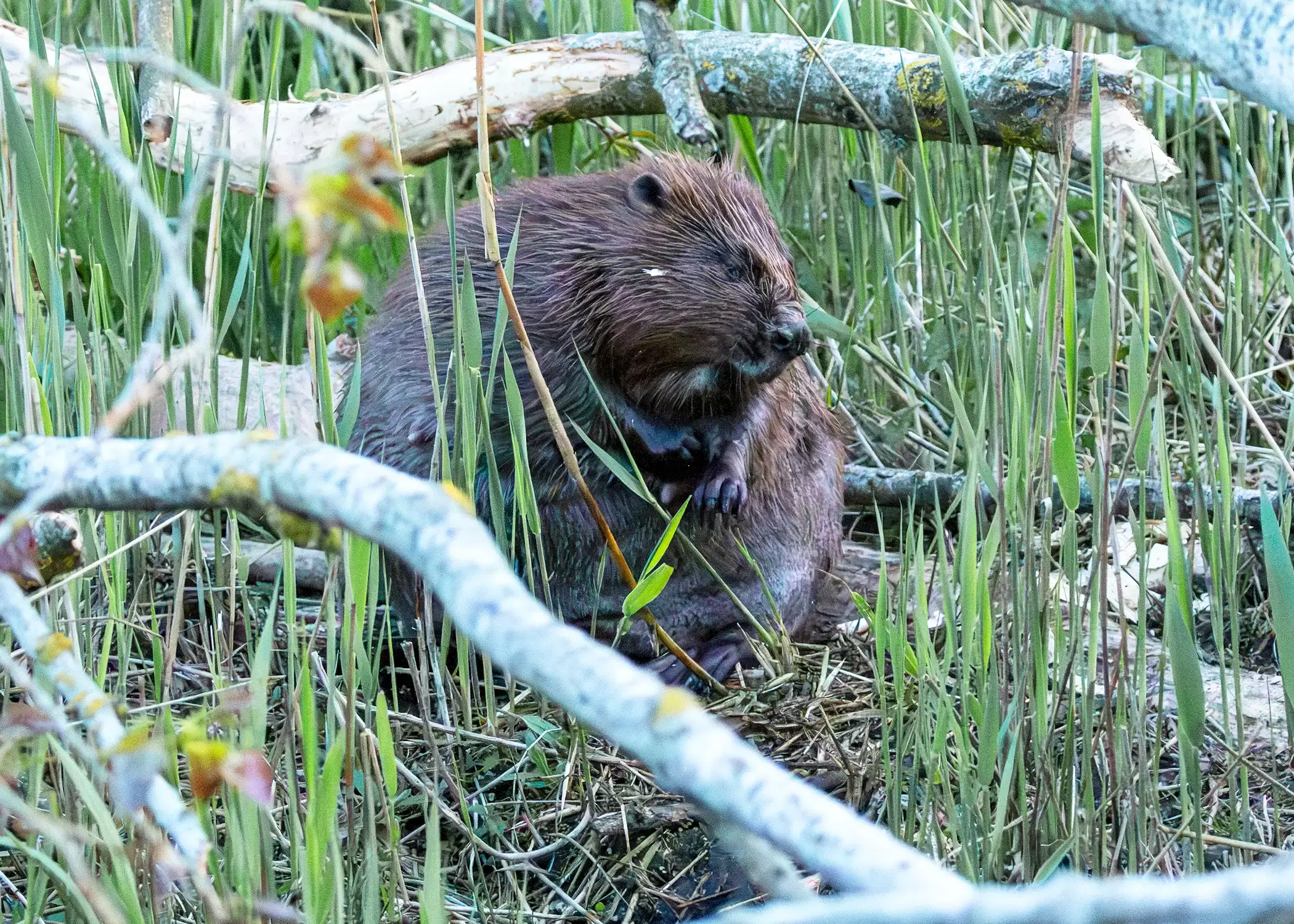
Living as a family unit, beavers share work and regularly socialise. Beavers are crepuscular (they are active at dawn and dusk), waking to forage, build and repair dams, expand their lodges and move through their territory as the light fades. Observation reveals their persistence, inventiveness and surprising strength; their ability to carry branches larger than themselves and return night after night to refine their dams demonstrates a determination that has those lucky enough to monitor them in awe.
They can also hold their breath for up to fifteen minutes thanks to lungs three times the size of ours, a reminder of just how specialised they are for life in water.
Reintroduction to Norfolk
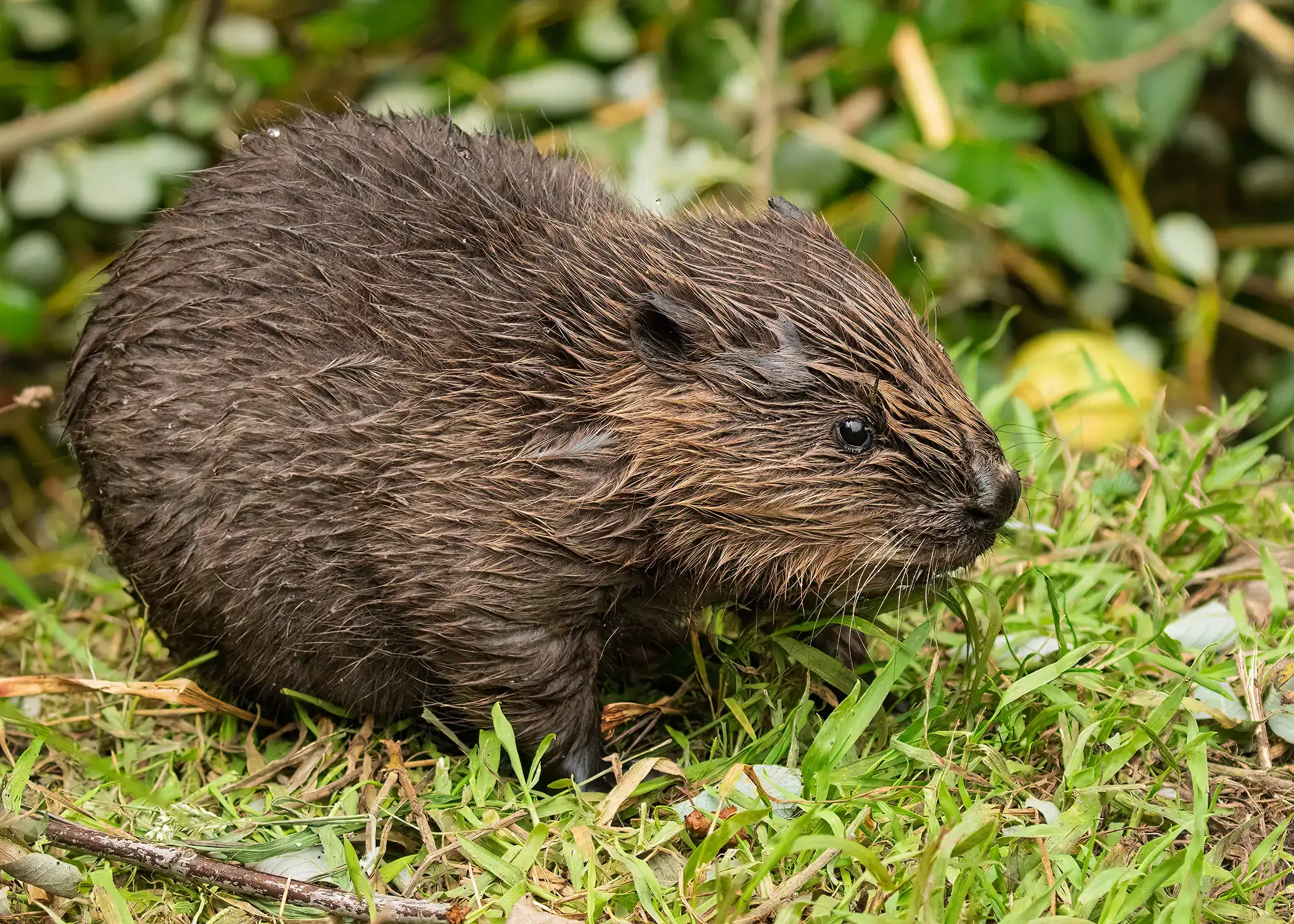
At Sculthorpe, the Hawk and Owl Trust have helped facilitate the return of beavers. Working with the Beaver Trust, a male was translocated from a wild population in Scotland and paired with a female from a licensed Yorkshire project. Released together into a pond within a 52-acre enclosure, they quickly settled into their new home. Four years later, their family has grown to seven, they quickly settled into their new home.
The enclosure was chosen for its mixture of woodland and wetlands, offering plenty of space and abundant natural food. To understand how the beavers are shaping this landscape, a dedicated team of volunteers monitors their activity through trail cameras. Each week, volunteers walk the enclosure to document beaver structures, felled trees and any changes to the fence line. The attempt to trap kits is made annually for microchipping and health checks, while regular surveys of birds, butterflies, dragonflies and fungi track changes in biodiversity.
 Early dividends
Although change occurs slowly, the effects of the beavers’ presence at Sculthorpe Moor are increasingly visible. The enclosure is now a thriving, undisturbed haven for wildlife; an increase in dragonflies, damselflies and froglets have been recorded.
One day a poplar tree, weakened by rising water levels, fell. However, a pair of kingfishers soon took advantage of the new structure, excavating a burrow in the buttress of the fallen tree and benefiting from the larger hunting grounds created by the new wetlands.
Another surprise has been how often the beavers themselves can be seen. Although tours never promise sightings, visitors have enjoyed remarkable views of both adults and kits going about their evening routines.
Overcoming challenges
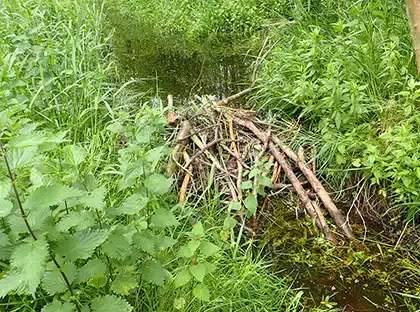
Not every part of the landscape has been easy to manage. A ditch maintained by the Internal Drainage Board runs through the enclosure, and the beavers were quick to attempt to dam its outflow pipe. Although this caused no problems within the reserve, the ditch needs to remain clear.
To prevent constant dam removal while still allowing beavers to behave naturally, sluice boards were installed to manage water levels. This was a great example of how beaver-related issues can be solved creatively and effectively with simple tactics.
 Looking Beyond Sculthorpe
While the Sculthorpe Moor enclosure is just a small contribution to national reintroduction efforts, it is helping build understanding of how beavers shape landscapes when given space to do so. Norfolk’s wetlands are central to the county’s identity, and these beavers offer a glimpse of how similar habitats could be restored and enriched if beavers were able to return more widely.
Looking ahead, the project aims to continue engaging the public, deepening understanding and raising awareness. As the beaver family grows, the hope is to move kits to other enclosures or licensed release sites, supporting beaver recovery across the UK.
How People Can Learn More and Support This Work
Wild beavers in Norfolk remain limited to a small number of licensed enclosures. For those wishing to learn more, the Beaver Trust website offers extensive information about beavers and their reintroduction across the country. Visitors to Sculthorpe can also learn about the enclosure, join guided tours, or attend talks, including an upcoming presentation by the Beaver Trust.
Norfolk now has three beaver enclosures, and supporting these projects, by visiting, attending events or simply learning more about beavers, is an excellent way to contribute to their future.
Although the Sculthorpe Moor enclosure is not open for general access to protect the beavers from disturbance, a small number of guided and private tours provide an opportunity to see them responsibly and learn about their lives.