
Beavers return to Norfolk: A closer look at a remarkable native species (Part 1)
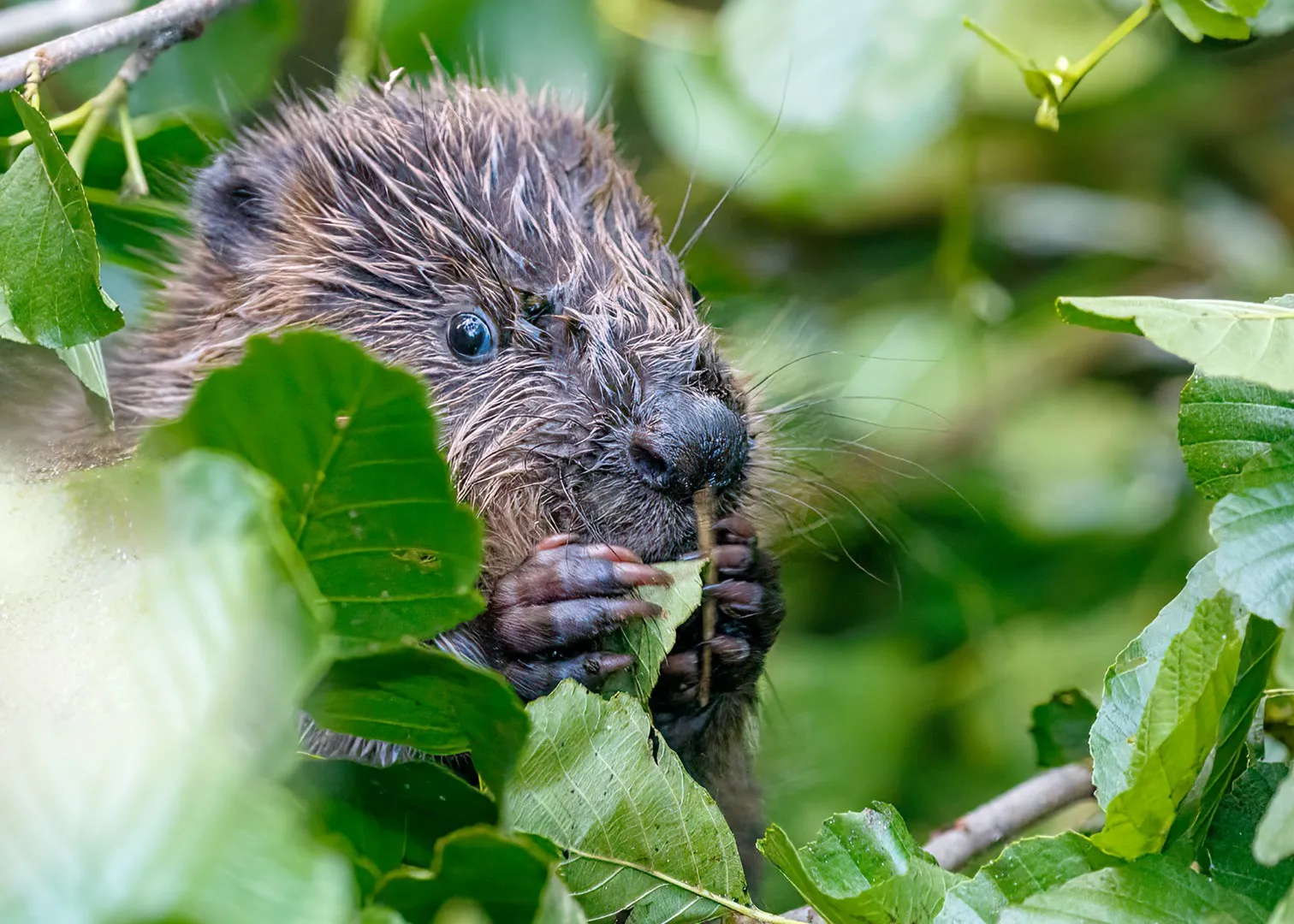
For many of us, the beaver is an animal first encountered in children’s books. While these friendly characters are invariably broad-tailed, busy and industrious, the real Eurasian beaver is even more remarkable.
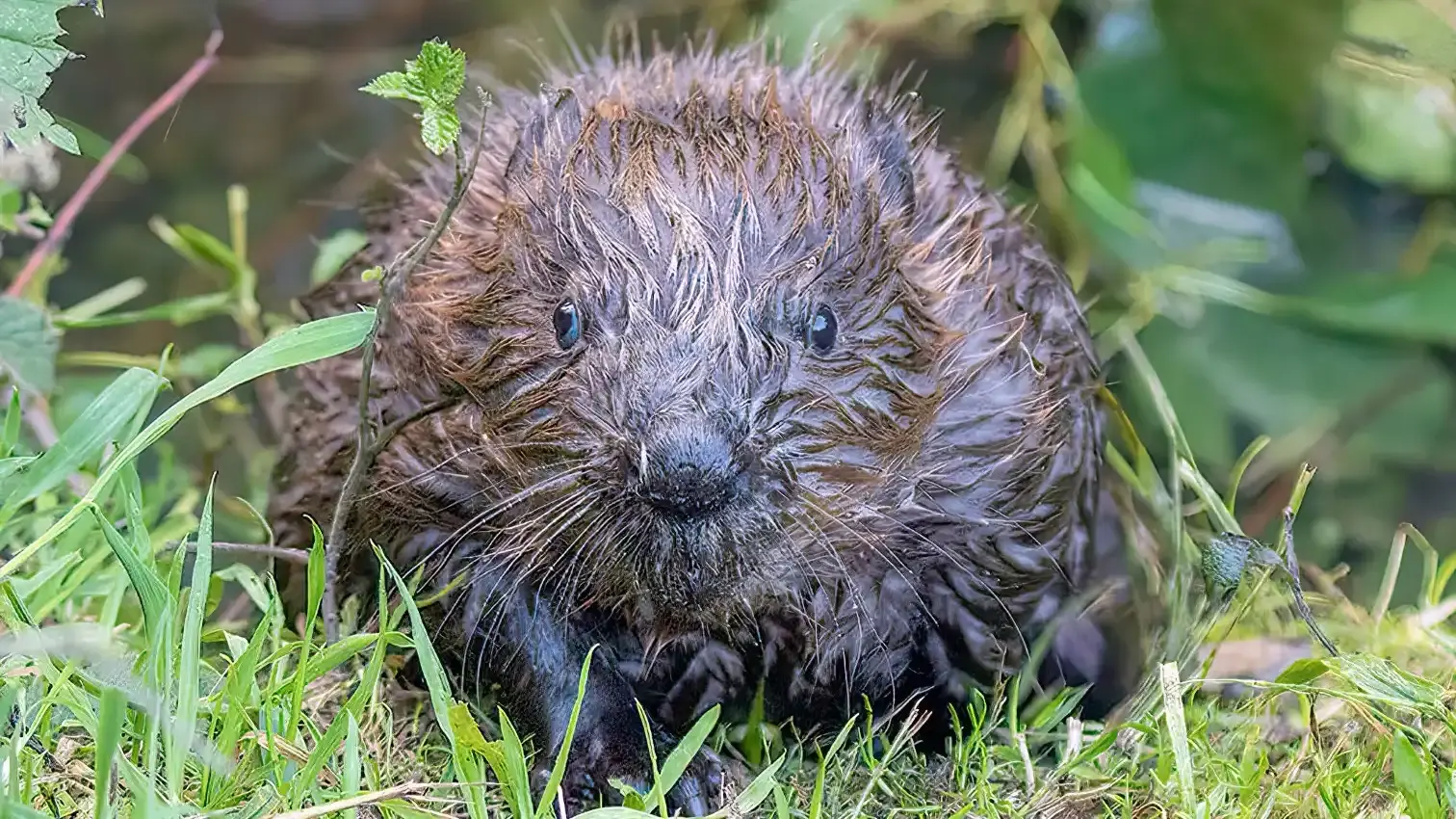
Beavers are the largest rodent in England weighing as much as 30kg and can be over 1 metre long and 0.5m tall. These semi-aquatic animals are crepuscular in nature (they are active at dawn and dusk) and are well adapted to their environment; dense fur keeps them warm, large tail that acts like a rudder in water, and strong iron-infused teeth are ideal for felling trees. While their large, webbed hind feet help them swim, their hand-like front paws allow them to carry materials.
Demise and reintroduction
It is hard to imagine today, but the Eurasian beavers once thrived throughout Britain’s wetlands. That changed in the 16th century, when they were hunted almost to extinction. Their fur was prized, their castoreum used in medicines, and their meat used for food. Only a small number survived elsewhere in Europe. For centuries, they were absent from Norfolk, leaving a missing piece in the natural functioning of wetland ecosystems.
The last decade has marked a turning point in the UK’s relationship with beavers. Since the first official wild release in Scotland in 2009, research has consistently demonstrated their value. Wetlands become richer and more resilient in their presence; water quality improves, biodiversity increases, and flood peaks are reduced as water is slowed and stored by their dams. This evidence has shifted the national conversation from questioning whether beavers should return to broadening our understanding of how we can live alongside them for mutual benefit.
Despite Norfolk’s extensive wetland landscapes, beavers are currently limited to a small number of licensed enclosures, with very few wild legal reintroduction projects running. This leaves a significant gap in our understanding of how beavers operate in lowland, intensively managed catchments like those found across Norfolk.
Beavers in Norfolk could provide insights into beaver behaviour, impacts, and coexistence in a landscape shaped by agriculture, drainage, and climate pressures. At a time when Norfolk faces increasing challenges from biodiversity loss, flooding, and water scarcity, beavers offer a nature-based solution that aligns with national environmental priorities.
 Architects of biodiversity
Beavers are more than just another species on the landscape; they are ecosystem engineers. They have a huge impact on their surrounding habitats, shaping wetlands and creating diverse ecosystems where other species thrive.
The beavers can naturally enhance the renowned wetlands of Norfolk. The recent ‘state of nature report’ has shown that the UK has suffered a 19% drop in its wildlife population since the 1970s, with 1 in 6 species being at risk of extinction. The reintroduction of beavers can help tackle the decline of existing native species, with new wetlands providing habitats for a wide range of species, including birds, dragonflies and other invertebrates.
One of the most persistent misconceptions is that beavers increase flood risk when the opposite is frequently true. Beaver dams will slow water flows during periods of heavy rainfall, allowing for its gradual release, reducing the intensity of downstream flooding. Meanwhile, the wetlands they create act as natural reservoirs, storing water and spreading it across floodplains.
Beaver dams also filter water, trapping sediments, excess nutrients like nitrates and phosphates, and even microbial pollutants such as E. coli. At a time when many rivers in England fail to achieve good ecological status, the natural filtering power of beaver dams provide a valuable service.
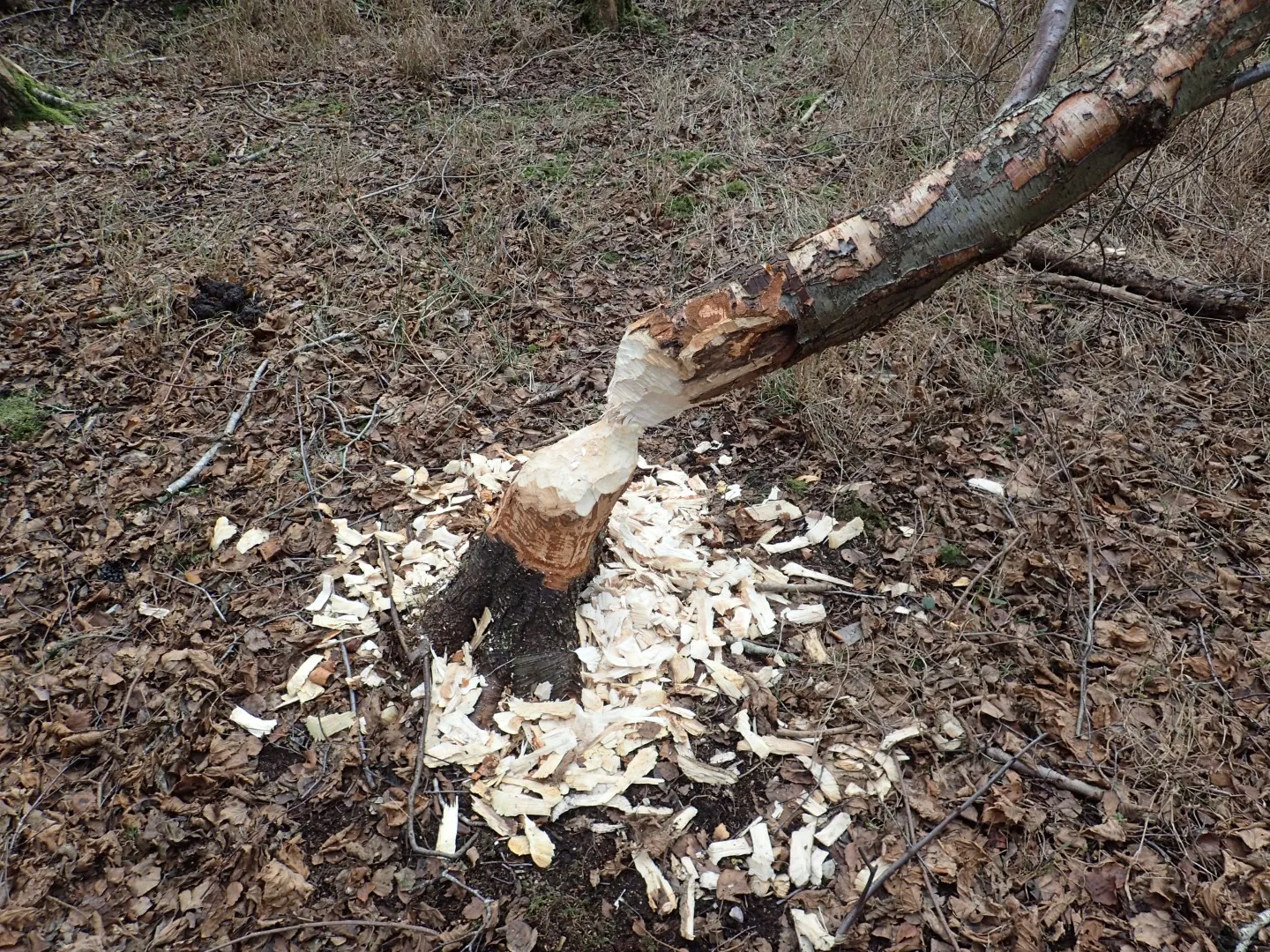
Through the felling of trees, beavers contribute to biodiversity in several other important ways:
- This process creates gaps in the woodland canopy, allowing extra light to reach the undergrowth. This increases plant diversity alongside warming ponds and waterways, helping support higher numbers of aquatic invertebrates.
- Standing deadwood is a valuable habitat for many birds, insects and fungi. This type of habitat has declined due to human removal of deadwood.
- When felled, smaller trees (e.g. hazel and willow) can coppice and regrow with new shoots. This creates greater structural diversity in the woodland and helps maintain woodland health.
 As the ecological impact of beavers becomes clearer, so too does their potential to help reshape Norfolk’s future by restoring wetlands, supporting wildlife and improving the health of our waterways.
Yet understanding the science only tells part of the story. To appreciate why these animals, have such a transformative influence it helps to look more closely at how they live and behave. Part 2 of this article will take you inside the daily rhythm of a beaver family, the Hawk and Owl Trust’s beaver reintroduction project and how this is aiding biodiversity at Sculthorpe Moor Nature Reserve.