
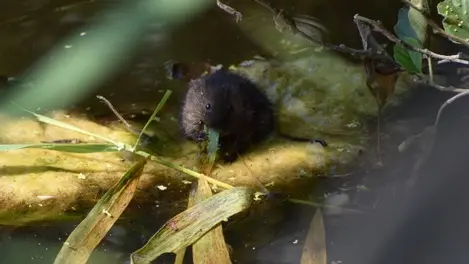
 Have you ever paused beside the water at Sculthorpe Moor and heard a sudden little “plop”? If so, you may have been close to one of our most charming wetland residents: the water vole.
Meet the Water Vole
Small, secretive and often heard before they are seen, water voles are a wonderful sight on the reserve. They live along waterways, ditches and wetland edges, where they feed, burrow and move quietly through the vegetation.
They may be modest in size, but water voles play an important role in healthy wetland ecosystems. Like beavers, they are considered ecosystem engineers: their activity can help improve soil quality and drainage, support a greater diversity of plants, and provide food for predators such as Marsh Harriers and Tawny Owls.
Why They Need Our Help
Sadly, water voles have suffered a dramatic decline. Their numbers have fallen by up to 90% since the 1970s, according to the Mammal Society, and they are now classed as Endangered on the Great Britain and England Red Lists for Mammals.
Several pressures have contributed to this decline, including:
- Predation by American mink
- Loss of habitat due to changes in agriculture and urban development
- Poor riverbank management and canalisation of waterways
- Overgrazing
- Pollution affecting rivers, streams and wetland habitats
A Good Sign for Sculthorpe Moor
The presence of water voles at Sculthorpe Moor is an encouraging sign. It tells us that our wetlands, reedbeds and fen habitats are providing the kind of safe, well-managed spaces that wildlife needs to thrive. The River Wensum, a rare chalk stream, also runs along the edge of the reserve, the health of this river is vital for many species including the water vole.
Next time you are exploring Sculthorpe Moor, take a moment to pause by the water. You might be lucky enough to get a glimpse of one of Britain’s most loved wetland mammals, or at least hear the “plop” …