

Here at Sculthorpe Moor the summer months bring with it some fantastic wildlife sightings. From our three resident pairs of Barn Owls hunting across the meadows, to the Marsh Harriers soaring over the wetland, the reserve feels like a special place to be at this time of year.
Here are just a few of the highlights from the last couple of months!
Birds
Marsh Harriers
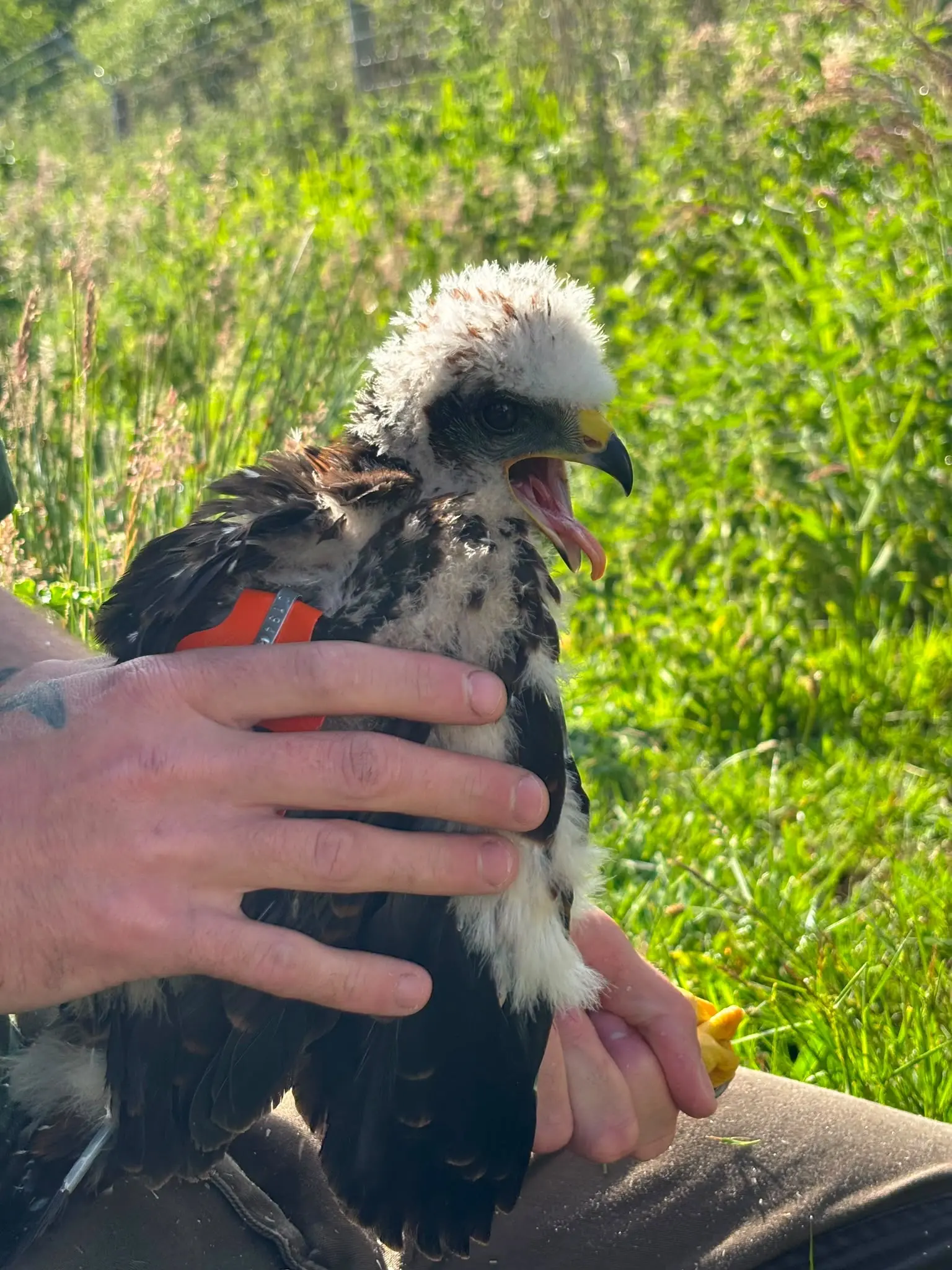
Our wetland welcomed a pair of Marsh Harriers who chose to nest among the reeds this spring. When the nest was inspected back in early June, there were two chicks, one male and one female. They were ringed and wing tagged by licensed professionals for monitoring purposes. The two juveniles had since been spotted on the wetland learning to hunt and fend for themselves before leaving their natal site. It will be interesting if our two young harriers are reported again once they leave, and whether it is nearby or they decide to go further afield.
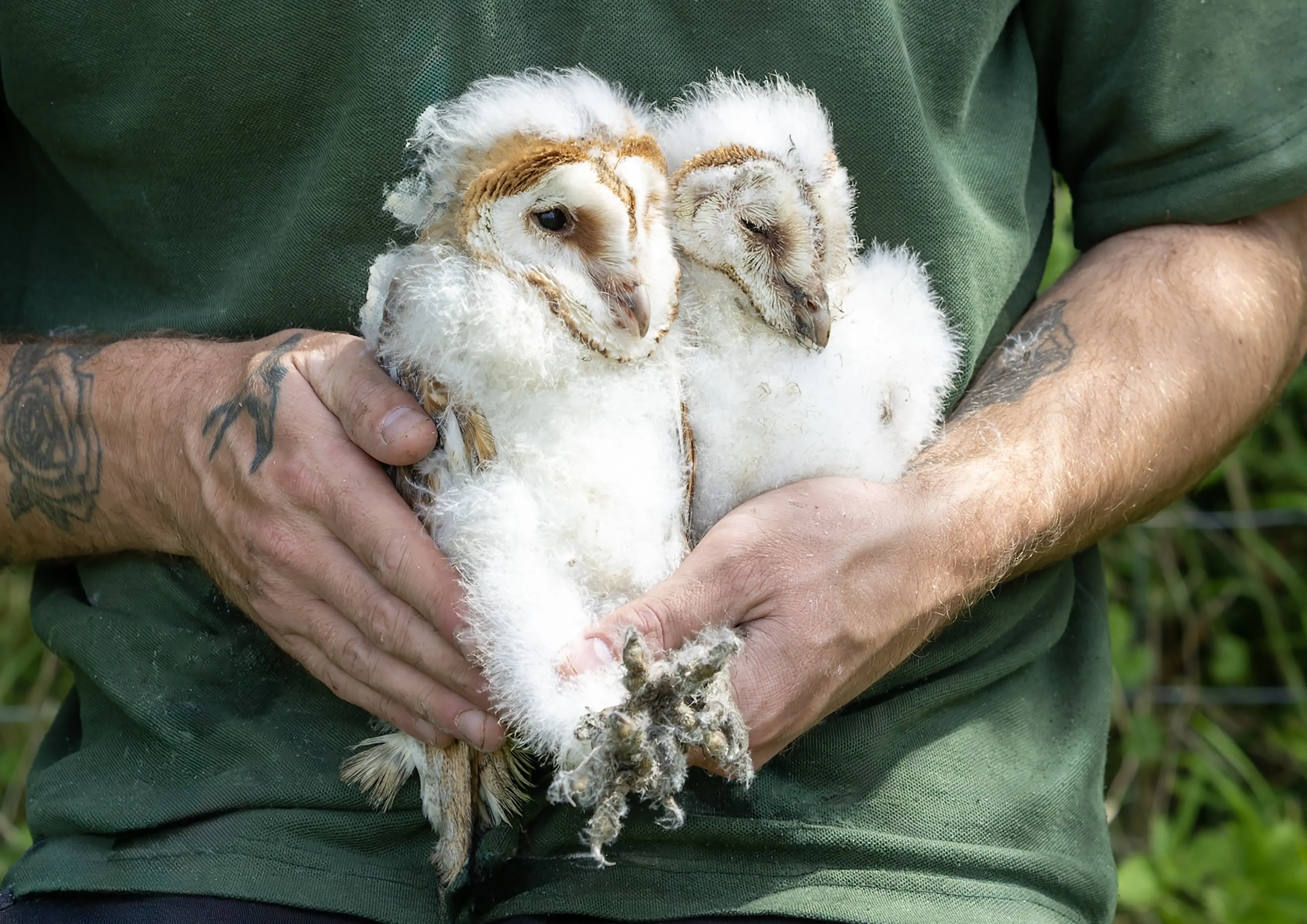 Image: J Taylor
Barn Owls
Three pairs of Barn Owls nested at Sculthorpe Moor this year rearing a total of eleven chicks between them. A new pair made an arrival in our livestock barn box raising four owlets and the pair in our scrape meadow box had an impressive total of five owlets. Our dragonfly meadow pair had a late brood of two chicks, who have now begun to explore their surroundings and can sometimes be seen from our Dragonfly Hide. It has been an impressive year for Barn Owls at Sculthorpe Moor.
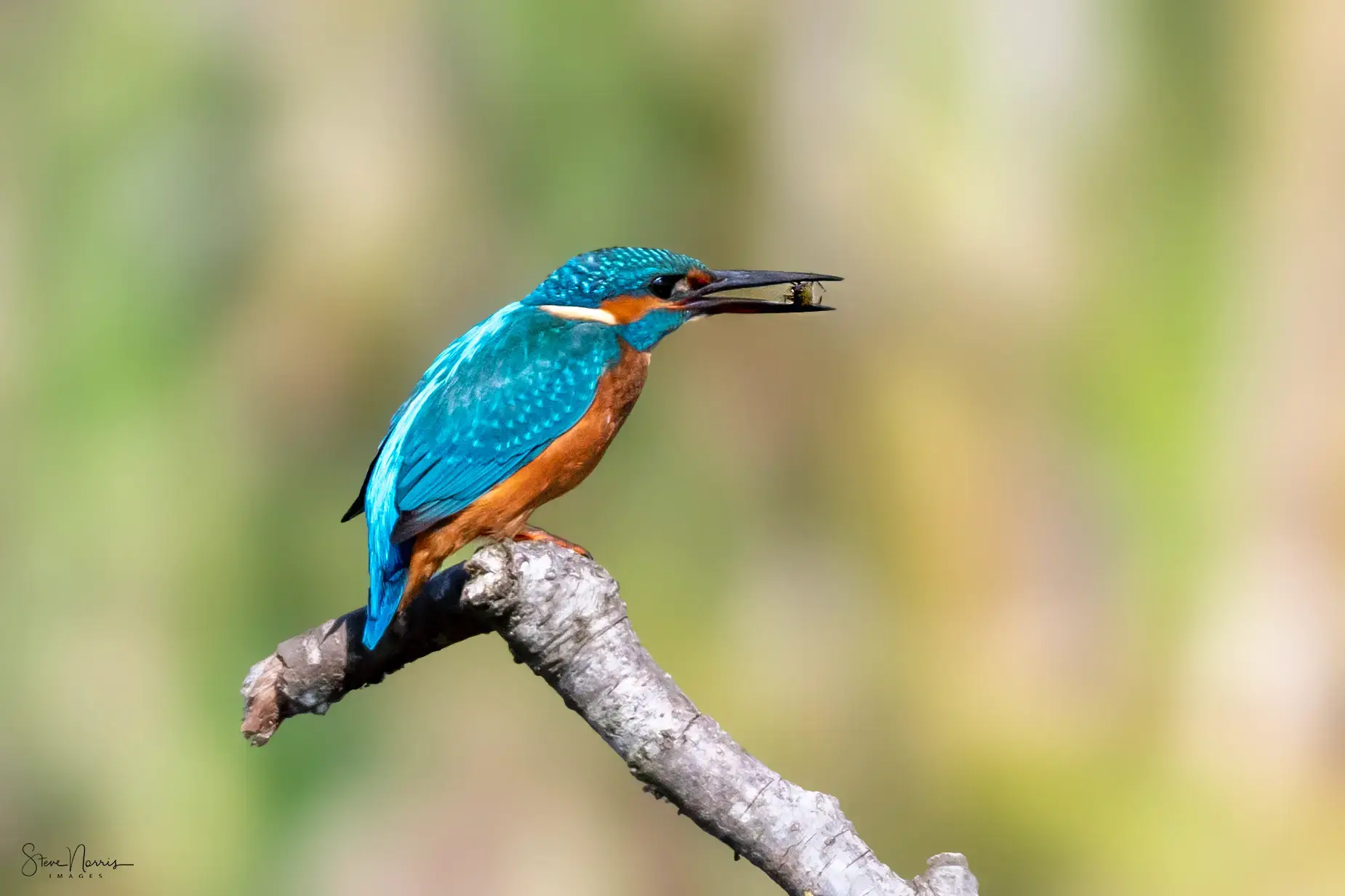 Image: S Norris
Kingfishers
The Kingfishers are always a visitor favourite here on the reserve, and we are lucky enough to see them darting down the drains and fishing in our wetland on a frequent basis. Our visitors come from far and wide, waiting patiently in our hides in the hopes of seeing the famous flash of blue or getting a comical photo of the Kingfisher perched on the “No fishing” sign.
Plants
Tubular Water-dropwort
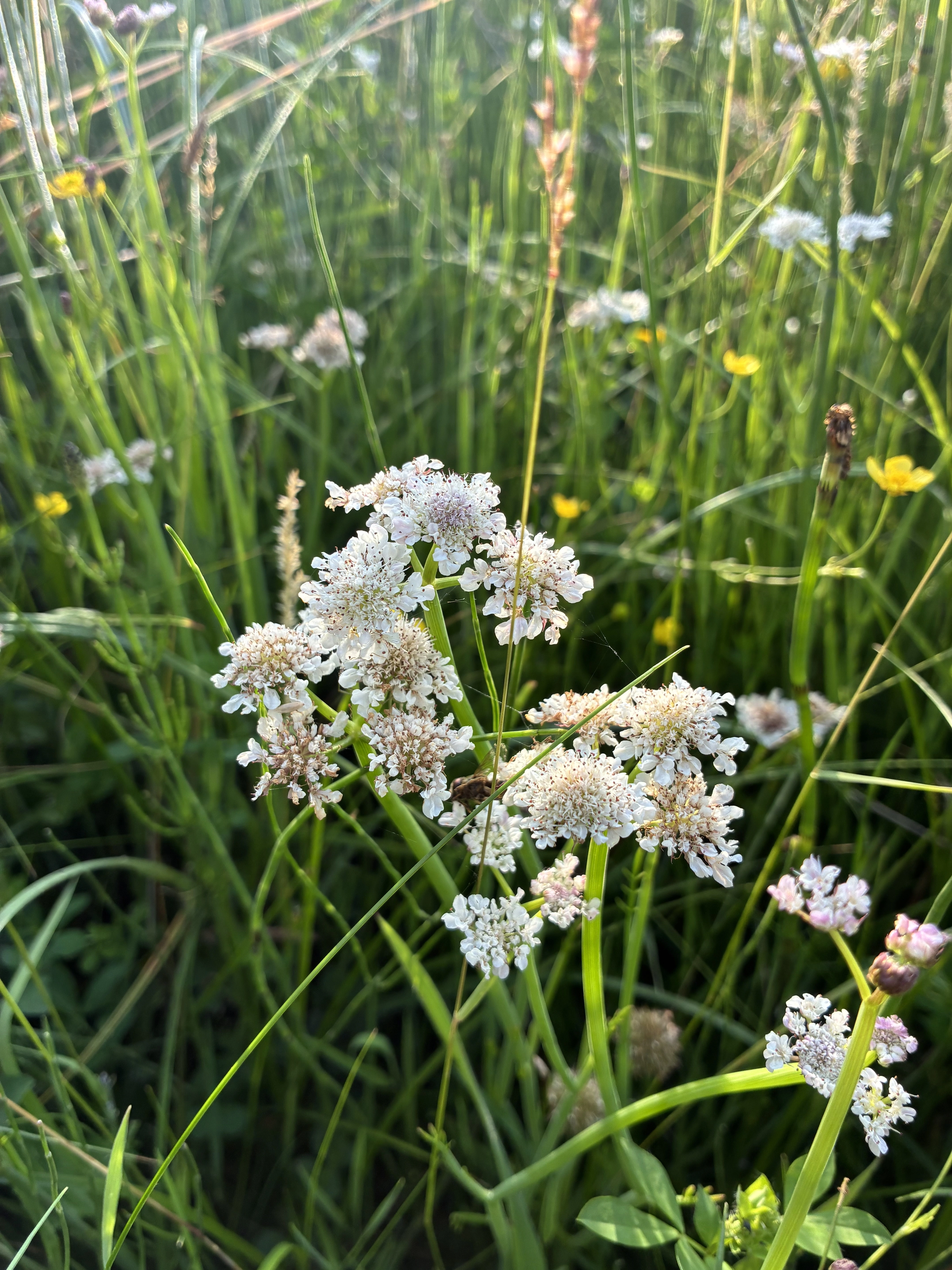
This summer in one of the ditches running through out wildflower meadow we found a plant called Tubular Water-dropwort. This plant is classified as vulnerable and is protected as a priority species in the UK. It can be found in several wetland habitats such as meadows, marshes, ponds, fen and ditches. It is a positive sign as it is usually found in areas with stable land use such as meadows and ditches with low nutrient water.
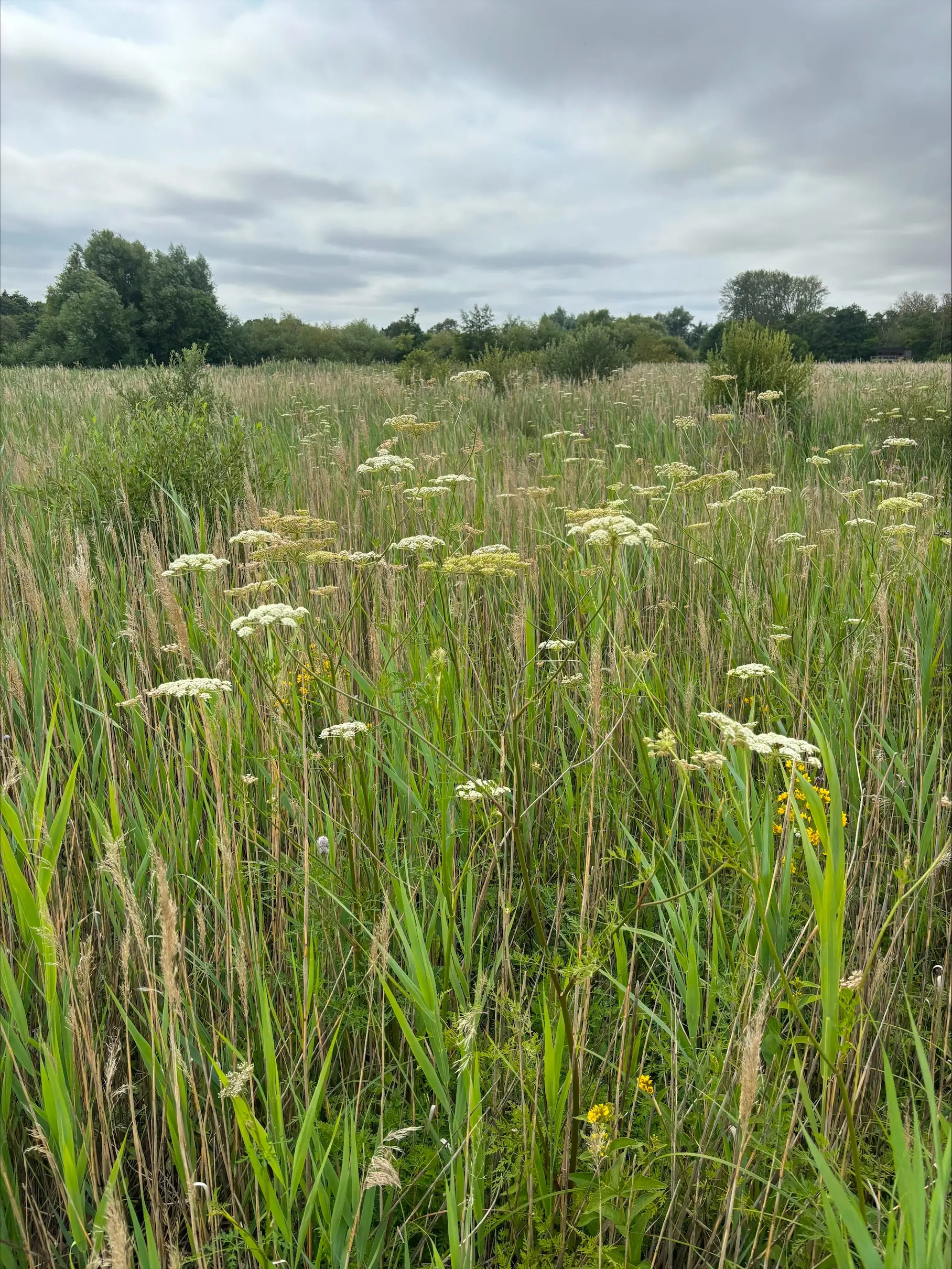
Milk Parsley
Milk Parsley, a scarce and vulnerable plant in the UK, also the sole food source of the British swallowtail butterfly, is establishing itself in our scrape meadow. A patch was spotted in a previously cut area of the meadow. The management of the meadow may be the reason for its success as occasional mowing helps the plant to survive and spread, as well as keeping on top of scrub clearance.
Mammals
Barbastelle Bat
Bat surveys were carried out this summer by our lovely volunteers to determine what species we find here at Sculthorpe Moor. On their latest survey they recorded Barbastelle bats, a very rare species that is classified as vulnerable in England and near threatened globally. There is estimated to be only 5,000 individuals in the UK. The reserve, with its mosaic of habitats, may be an ideal place for them as they prefer deciduous woodland, wet meadows and water bodies, such as rivers.
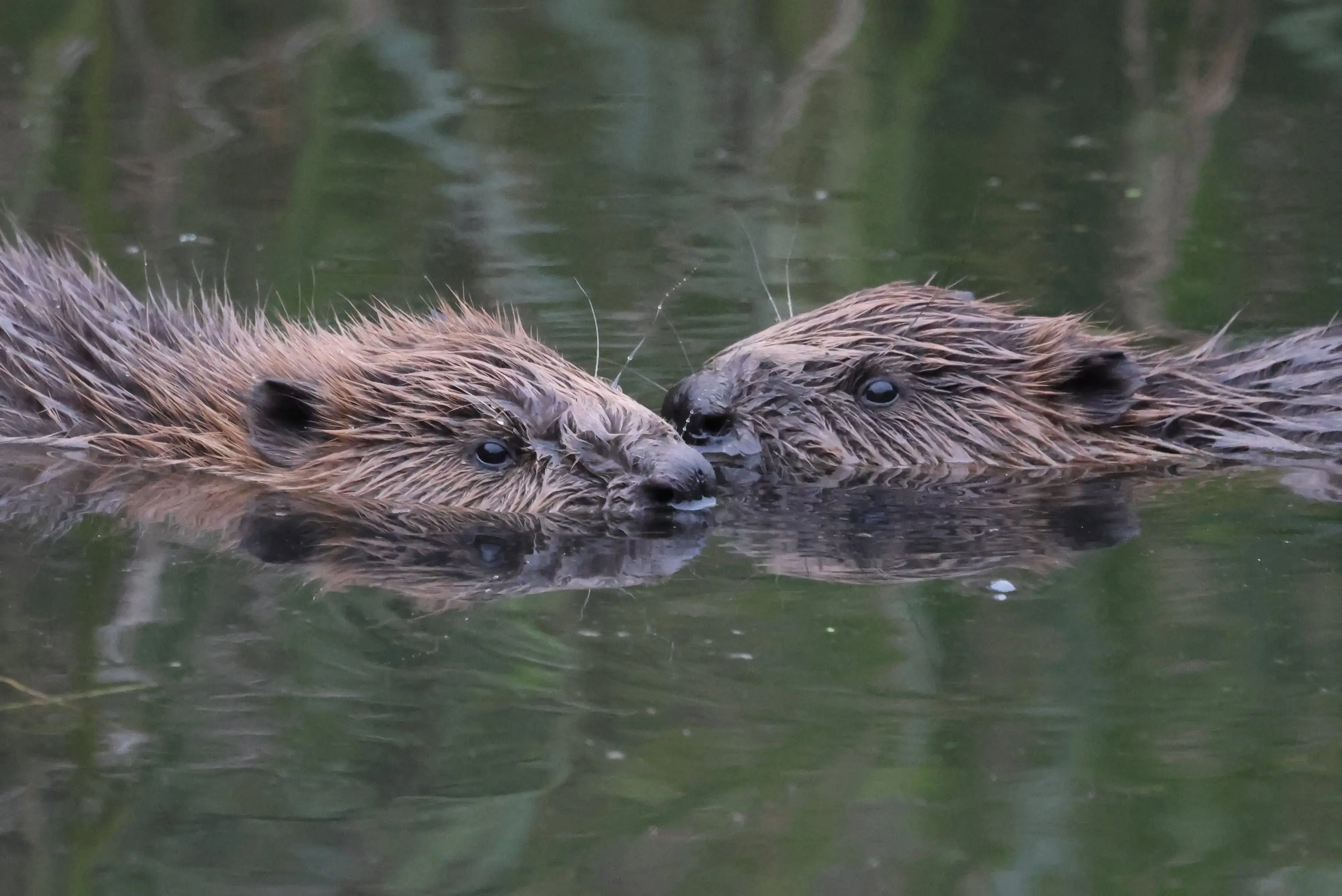 Image: C. Collier
Beaver Kits
The arrival of three new beaver kits this spring brings the total number here at Sculthorpe Moor to ten. Earlier in the summer we were getting fantastic sightings on our walks as the young kits were exploring their surroundings. Both the adults and the older kits play a role in teaching the youngsters, which we have seen plenty of evidence of on our trail cameras. The more we watch these amazing creatures the more we understand why they are labelled ecosystem engineers. Their ability to fell trees and move large branches is impressive to watch, and recently we have seen how they use their tail for balance as they reach up to grab branches, we even have footage of them climbing!
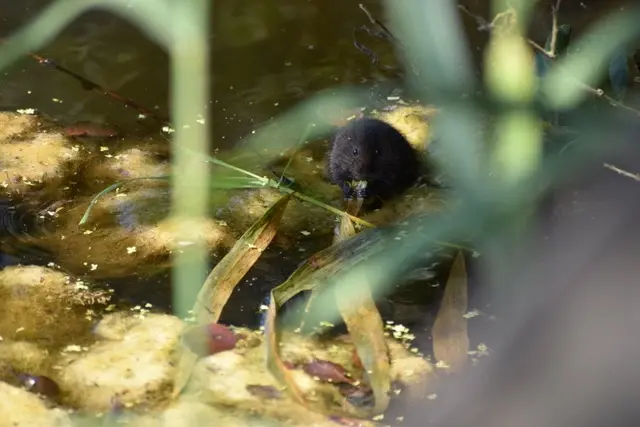 Image: SM Member
Water Vole
These small and secretive mammals are often heard before they are seen. But if you are lucky, you may spot one along our waterways chomping on the vegetation. We are always excited to see a water vole as unfortunately they are listed as endangered on the Red List for mammals. They may be modest in size, but water voles play an important role in healthy wetland ecosystems. Like beavers, they are considered ecosystem engineers: their activity can help improve soil quality and drainage, support a greater diversity of plants, and provide food for predators such as Marsh Harriers and Tawny Owls.
Other species of note
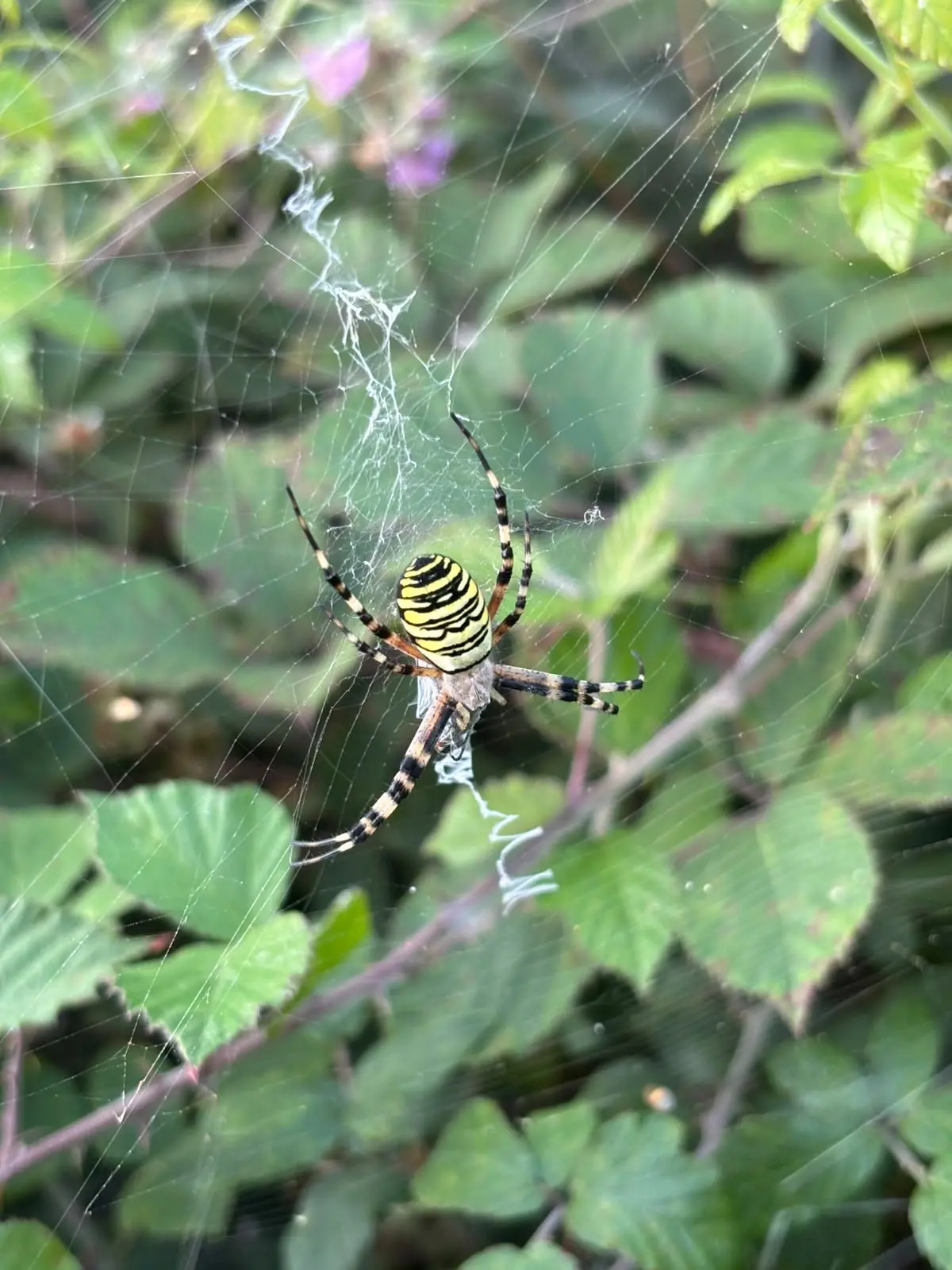 Image: J. Kenworthy
Wasp Spider
The wasp spider gets its name from the bold yellow and black markings on its back that mimics those of a wasp. Originally only found in southern England, the wasp spider is slowly spreading further afield and can be found in a variety of habitats. We spotted a wasp spider inside our beaver enclosure where it had spun its web amongst the brambles. Their webs are large with a distinctive white zig-zag strip running down the middle.
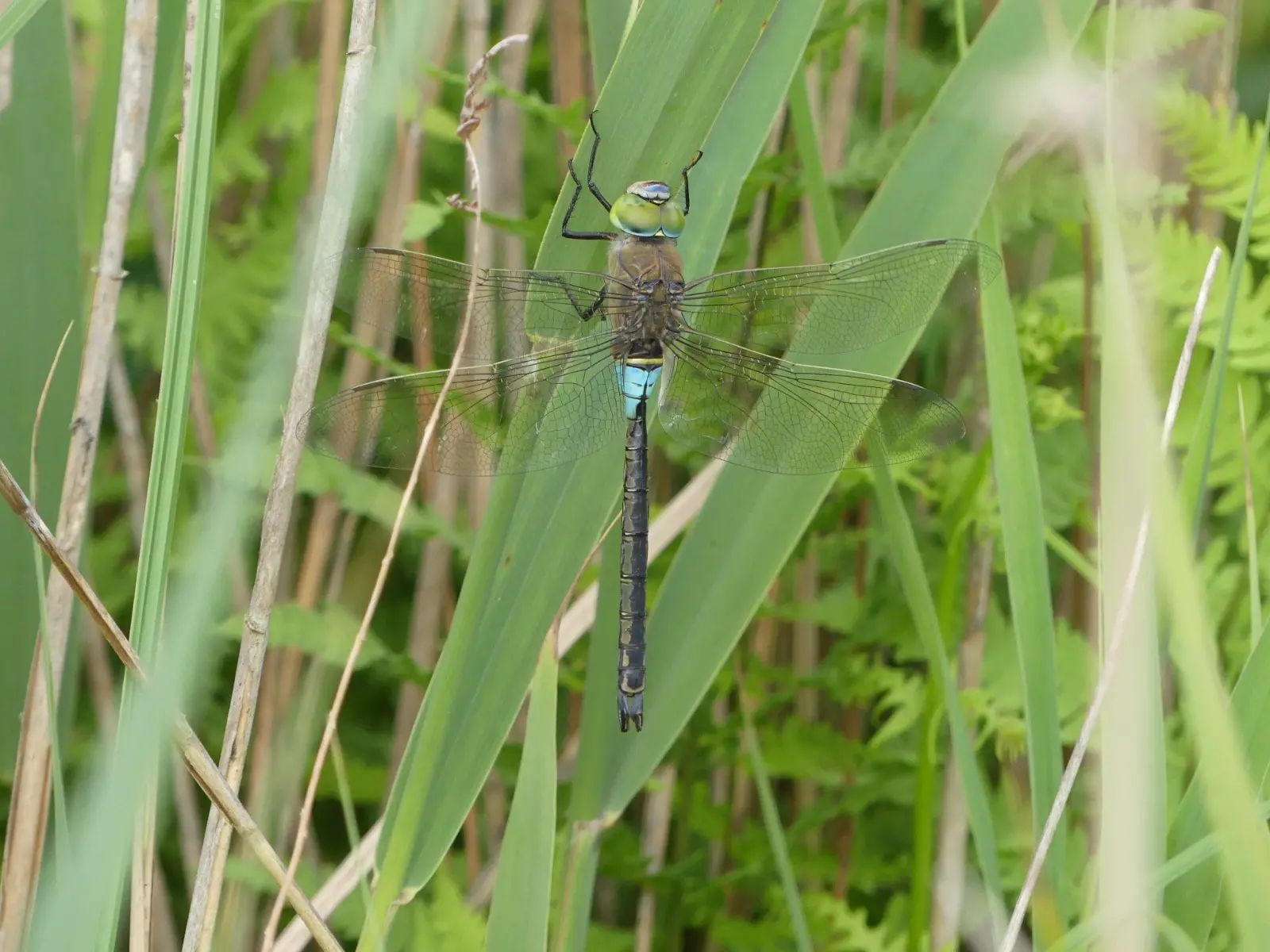 Image: C. Lamsdell
Lesser Emperor and Southern Migrant Hawker Dragonflies
We have had some fantastic dragonfly sightings this year, including the Lesser Emperor and Southern Migrant Hawker, both of which were new records for Sculthorpe Moor.
The Lesser Emperor dragonfly is a migrant species to the UK from southern Europe, with a small breeding population establishing in England. The Southern Migrant Hawker is another migrant species in the UK and like the Lesser Emperor’s they are breeding residents in the south of England. This change is likely linked to changing weather patterns and warmer conditions mimicking their usual Mediterranean breeding habitat.