

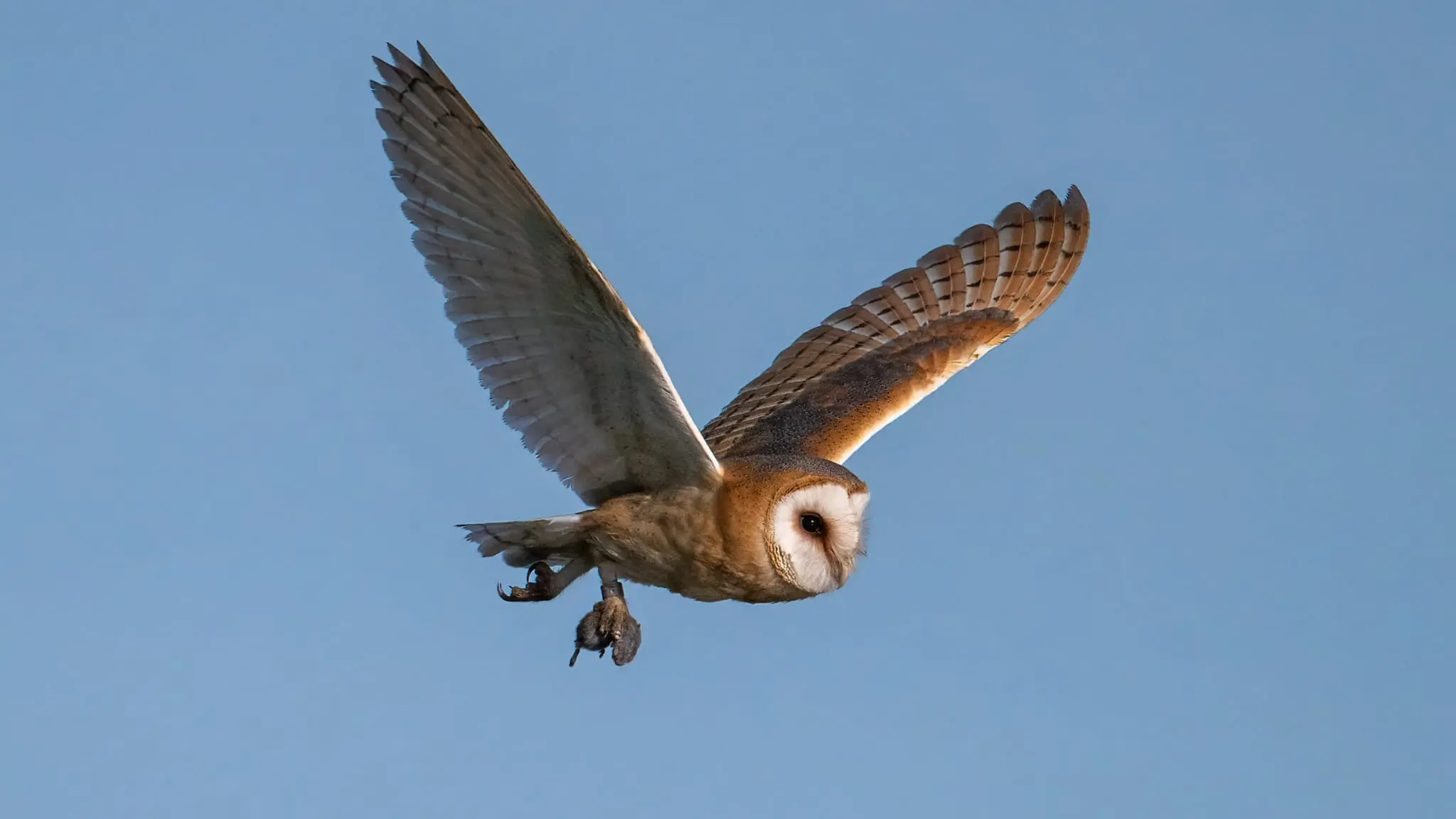
The 2026 breeding season has proven remarkable in many respects, marking one of the most successful periods for Barn Owls in recent memory—a striking contrast to the preceding year, which was among the most challenging on record. As we progress through what is now our third heatwave of the year, with drought conditions increasingly mirroring those experienced in 2025, it is an appropriate moment to review outcomes to date and consider the challenges that lie ahead.
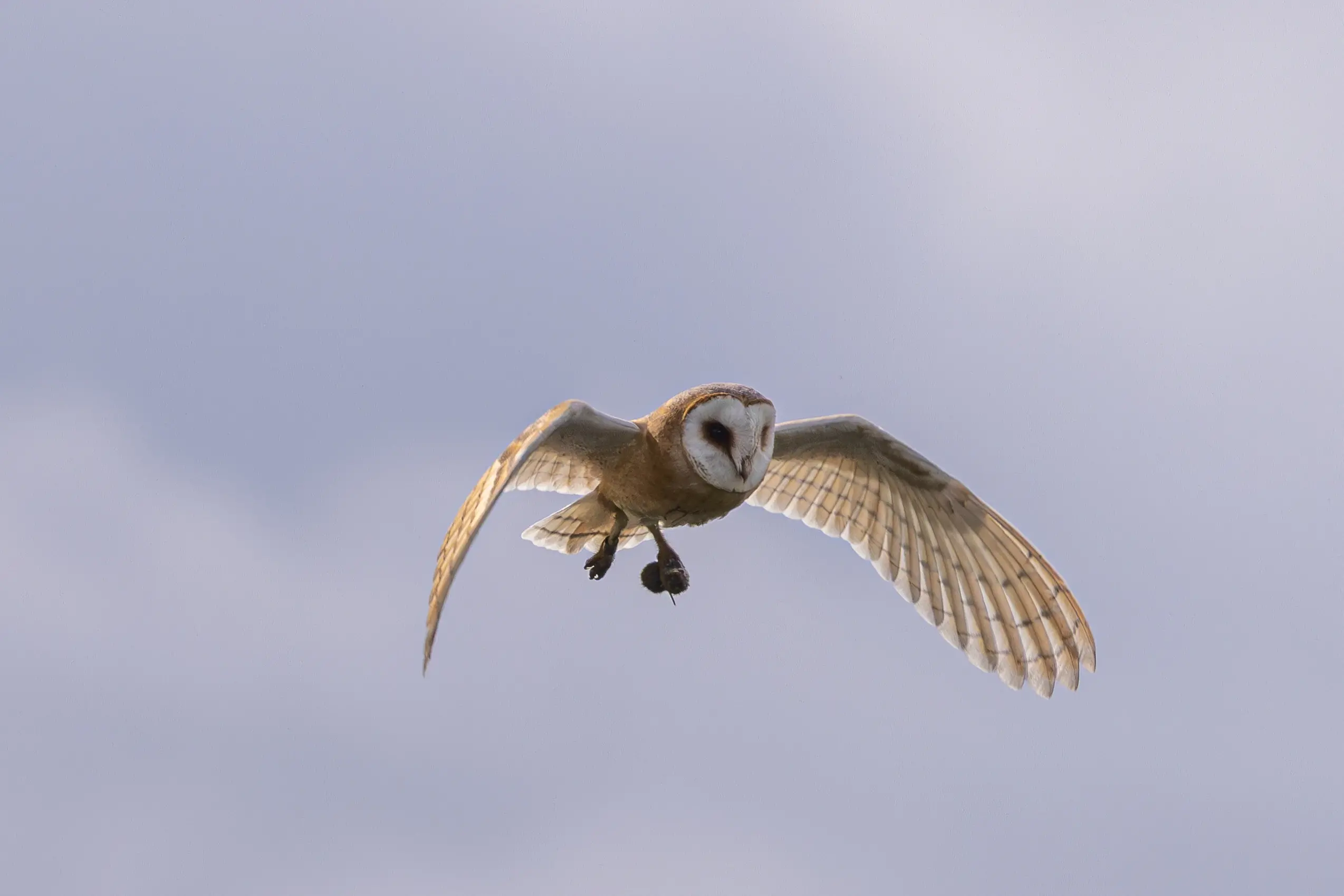
The most evident positive has been the unusually large brood sizes recorded across many monitoring sites. In several locations, six or even seven owlets have successfully fledged, a testament to favourable early-season conditions and ample food resources at the time of first nesting. For pairs that initiated breeding early, laying eggs in March, many still have dependent young in the nest. These broods generally remain in good condition, and it is this group that accounts for the majority of the season’s larger clutches. It should be noted, however, that while these early broods appear secure at present, we may yet see wider impacts: as young owlets approach independence and disperse from their natal territories, there remains a risk of elevated mortality as they adapt to sourcing their own food and establishing new home ranges—factors that will only become clear with further monitoring in the months ahead.
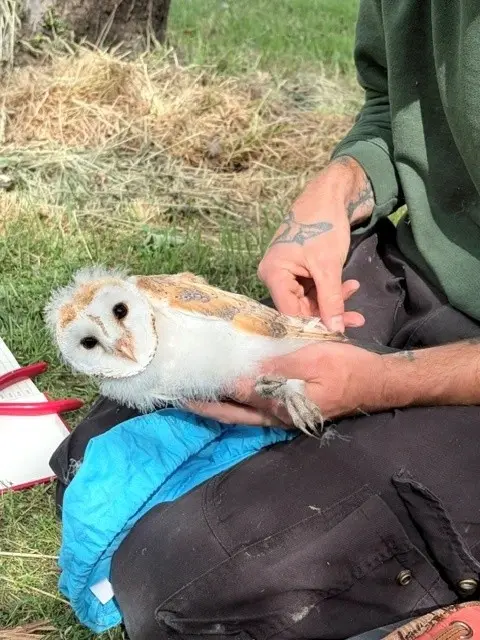
For pairs that commenced nesting later, in April or May, the situation has been less favourable. These broods are experiencing some losses, typically of one or two individuals, and while this is far less catastrophic than the widespread failures seen in 2025, the trend is notable. All available evidence points directly to the prevailing extreme weather as the root cause. With drought intensifying and wildfire incidents widely reported across the country and region, habitats and food sources are coming under severe strain.
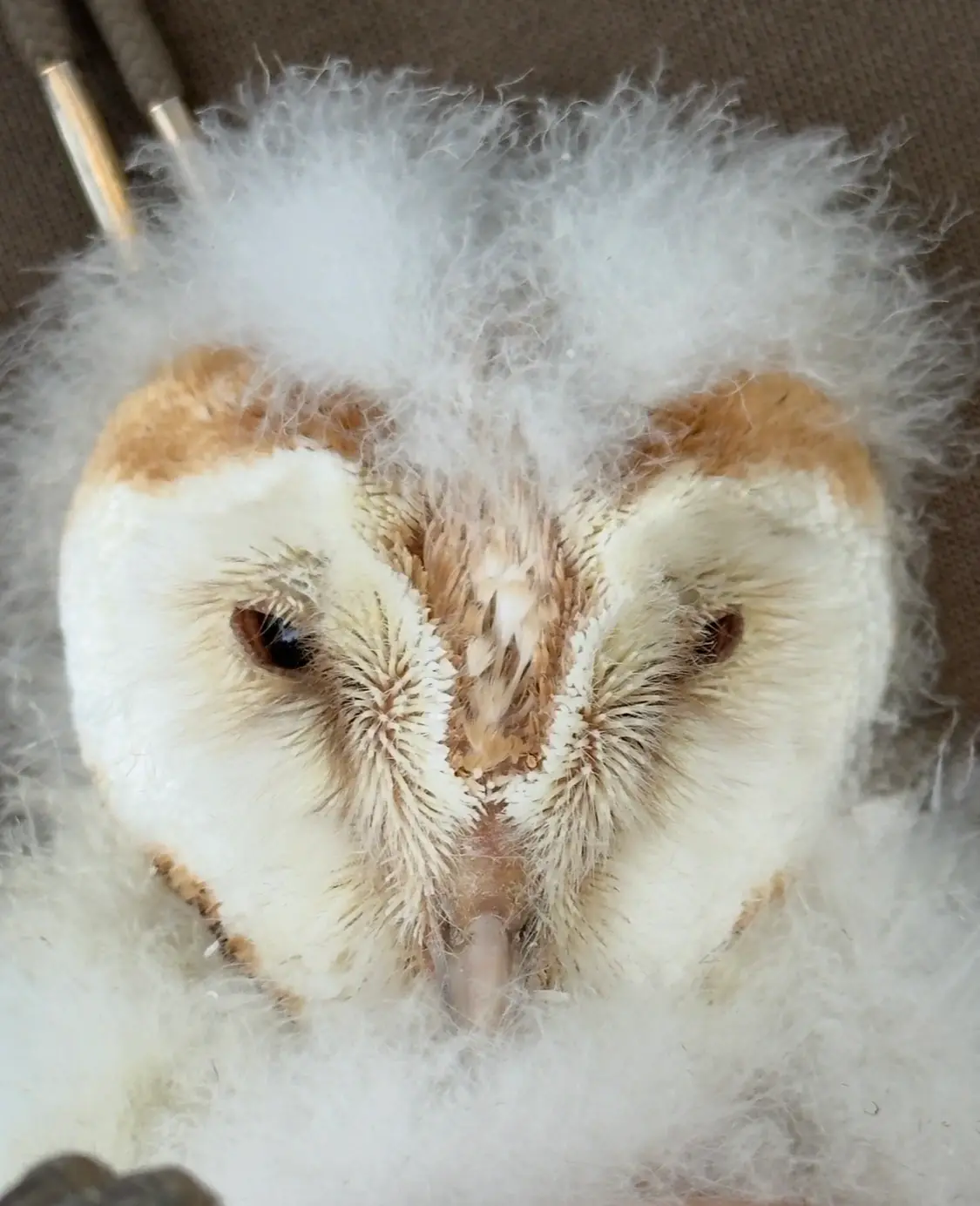
A key factor in this dynamic is the status of the short-tailed vole, the primary prey species for Barn Owls. Voles inhabit areas of long, tussocky grass, which provides essential cover from predators, yet their survival depends entirely on access to fresh, green grass growth. Under sustained hot, dry conditions, this critical resource rapidly diminishes. Exposed soils become parched under intense sunlight, halting new grass growth entirely. Even in longer, rough grassland, which retains some soil moisture, the vegetation begins to dry out as drought persists, making suitable food increasingly scarce. Inevitably, vole populations decline sharply when these conditions prevail. For Barn Owl pairs that were able to build up significant food stores in their nests earlier in the season, these reserves are now exhausted, leaving parents struggling to find sufficient prey to feed later broods.
Looking ahead, there remains potential for further breeding success, but much will depend on imminent changes in the weather. As recently as 8 July 2026, we identified more than ten sites where pairs were already incubating second broods, with indications that many of these, too, could produce large clutches. Monitoring of these sites will begin in the third week of August, by which time we hope to have greater clarity on their prospects. It is well documented that vole populations can recover rapidly once conditions improve, but for these second broods to thrive, substantial rainfall is required—and it is needed urgently. Until then, we can only hope for the necessary change in conditions; as the saying goes, rain dancing is entirely optional.
I’m dancing, are you?