
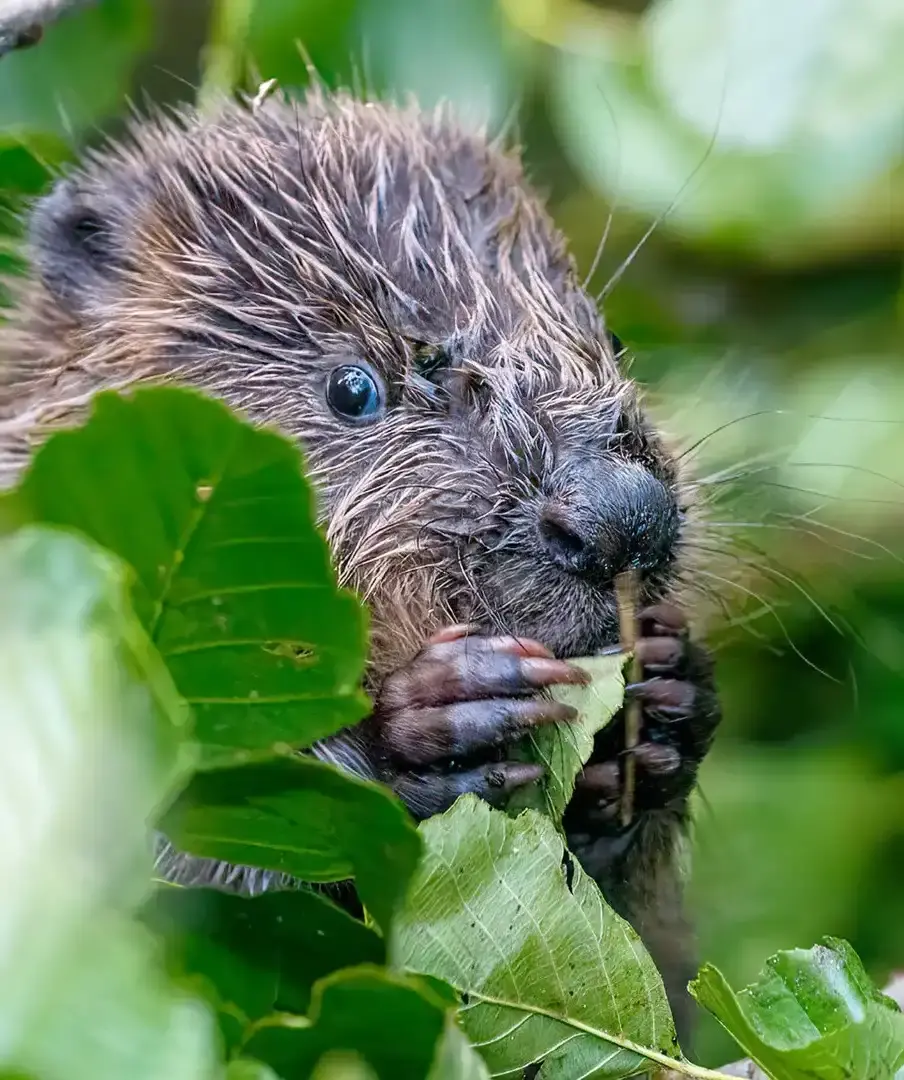
Beavers return to Norfolk: A closer look at a remarkable native species (Part 1)
For many of us, the beaver is an animal first encountered in children’s books. While these friendly characters are invariably broad-tailed, busy and industrious, the real Eurasian beaver is even more remarkable.
Beavers are the largest rodent in England weighing as much as 30kg and can be over 1 metre long and 0.5m tall. These semi-aquatic animals are crepuscular in nature (they are active at dawn and dusk) and are well adapted to their environment; dense fur keeps them warm, large tail that acts like a rudder in water, and strong iron-infused teeth are ideal for felling trees. While their large, webbed hind feet help them swim, their hand-like front paws allow them to carry materials.
Demise and reintroduction
It is hard to imagine today, but the Eurasian beavers once thrived throughout Britain’s wetlands. That changed in the 16th century, when they were hunted almost to extinction. Their fur was prized, their castoreum used in medicines, and their meat used for food. Only a small number survived elsewhere in Europe. For centuries, they were absent from Norfolk, leaving a missing piece in the natural functioning of wetland ecosystems.
The last decade has marked a turning point in the UK’s relationship with beavers. Since the first official wild release in Scotland in 2009, research has consistently demonstrated their value. Wetlands become richer and more resilient in their presence; water quality improves, biodiversity increases, and flood peaks are reduced as water is slowed and stored by their dams. This evidence has shifted the national conversation from questioning whether beavers should return to broadening our understanding of how we can live alongside them for mutual benefit.
Despite Norfolk’s extensive wetland landscapes, beavers are currently limited to a small number of licensed enclosures, with very few wild legal reintroduction projects running. This leaves a significant gap in our understanding of how beavers operate in lowland, intensively managed catchments like those found across Norfolk.
Beavers in Norfolk could provide insights into beaver behaviour, impacts, and coexistence in a landscape shaped by agriculture, drainage, and climate pressures. At a time when Norfolk faces increasing challenges from biodiversity loss, flooding, and water scarcity, beavers offer a nature-based solution that aligns with national environmental priorities.
 Architects of biodiversity
Beavers are more than just another species on the landscape; they are ecosystem engineers. They have a huge impact on their surrounding habitats, shaping wetlands and creating diverse ecosystems where other species thrive.
The beavers can naturally enhance the renowned wetlands of Norfolk. The recent ‘state of nature report’ has shown that the UK has suffered a 19% drop in its wildlife population since the 1970s, with 1 in 6 species being at risk of extinction. The reintroduction of beavers can help tackle the decline of existing native species, with new wetlands providing habitats for a wide range of species, including birds, dragonflies and other invertebrates.
One of the most persistent misconceptions is that beavers increase flood risk when the opposite is frequently true. Beaver dams will slow water flows during periods of heavy rainfall, allowing for its gradual release, reducing the intensity of downstream flooding. Meanwhile, the wetlands they create act as natural reservoirs, storing water and spreading it across floodplains.
Beaver dams also filter water, trapping sediments, excess nutrients like nitrates and phosphates, and even microbial pollutants such as E. coli. At a time when many rivers in England fail to achieve good ecological status, the natural filtering power of beaver dams provide a valuable service.
Through the felling of trees, beavers contribute to biodiversity in several other important ways:
- This process creates gaps in the woodland canopy, allowing extra light to reach the undergrowth. This increases plant diversity alongside warming ponds and waterways, helping support higher numbers of aquatic invertebrates.
- Standing deadwood is a valuable habitat for many birds, insects and fungi. This type of habitat has declined due to human removal of deadwood.
- When felled, smaller trees (e.g. hazel and willow) can coppice and regrow with new shoots. This creates greater structural diversity in the woodland and helps maintain woodland health.
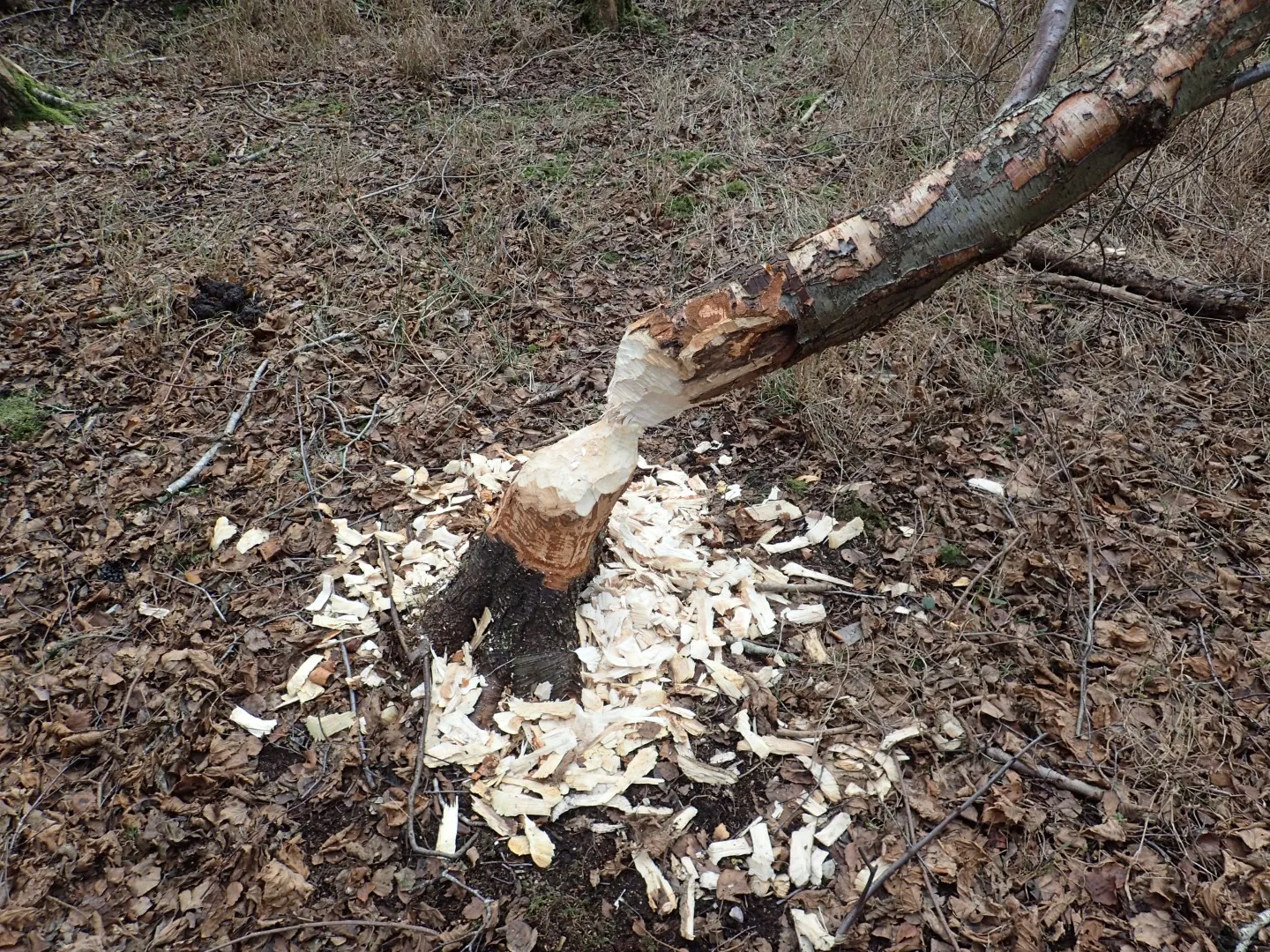 As the ecological impact of beavers becomes clearer, so too does their potential to help reshape Norfolk’s future by restoring wetlands, supporting wildlife and improving the health of our waterways.
Yet understanding the science only tells part of the story. To appreciate why these animals, have such a transformative influence it helps to look more closely at how they live and behave. Part 2 of this article will take you inside the daily rhythm of a beaver family, the Hawk and Owl Trust’s beaver reintroduction project and how this is aiding biodiversity at Sculthorpe Moor Nature Reserve.
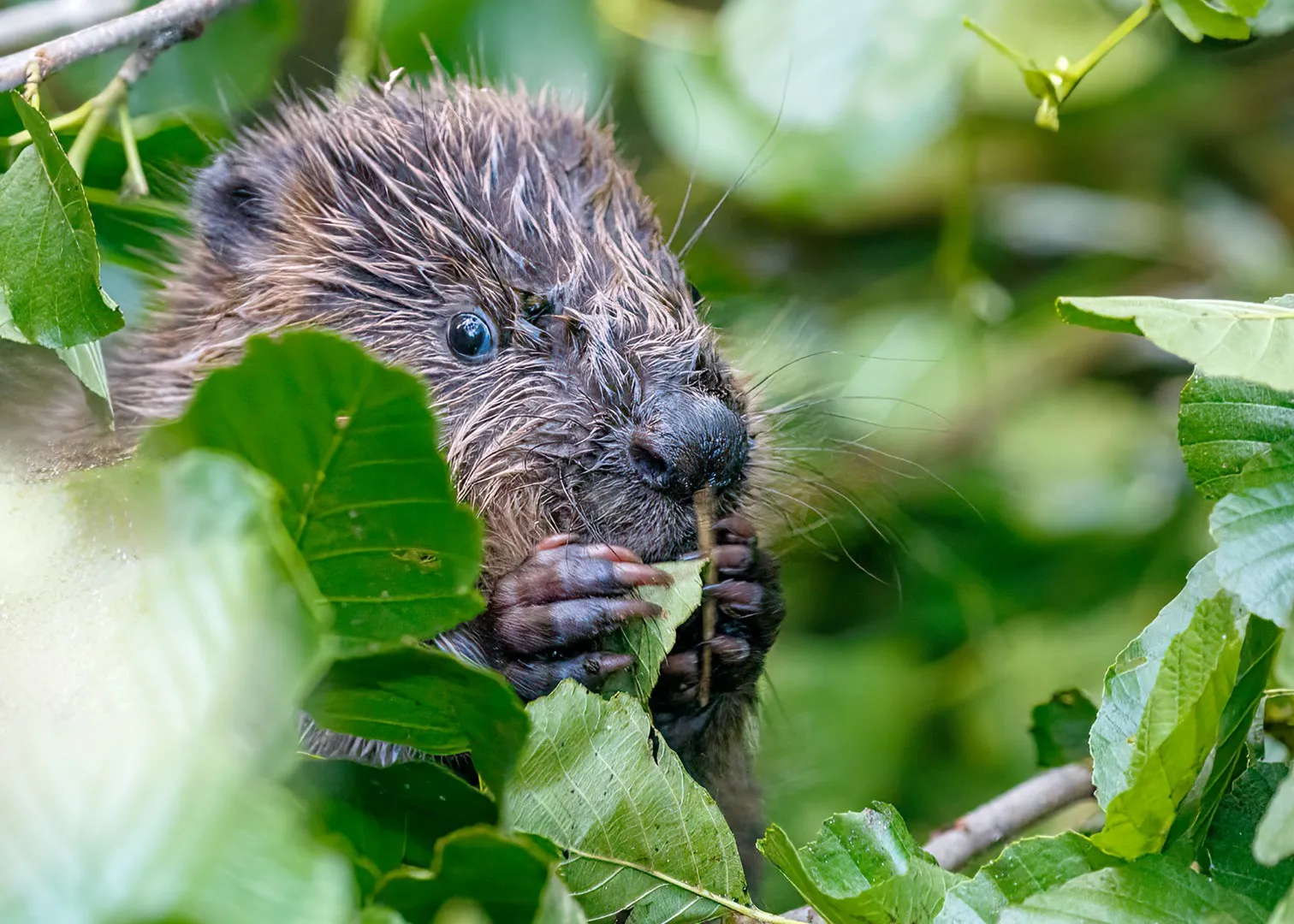
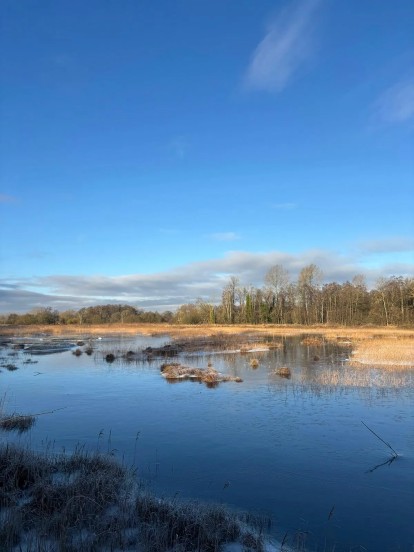
World Wetlands Day: Celebrating the super-powered wetlands of the Hawk and Owl Trust
Every year on World Wetlands Day, conservationists and nature lovers come together to celebrate one of Earth’s most remarkable and diverse habitats.
Wetlands are not only biodiversity hotspots, but true living landscapes that shape our natural environment. They improve ecosystem health by regulating water flow, filtering pollutants, and supporting plant and soil processes that build resilient landscapes. It is the range of benefits that makes wetlands some of the most valuable and productive ecosystems on Earth.
Why wetlands matter to birds of prey
The Hawk and Owl Trust cares for two wetland nature reserve sites, Sculthorpe Moor in Norfolk, and Shapwick Moor in Somerset. This pair of exceptionally managed conservation sites are a fantastic place to visit and learn why wetlands are so deserving of our attention today.
The wetlands at Hawk and Owl nature reserves provide essential feeding, nesting, and sheltering areas for a wide range of species. These habitats support biodiversity by offering stable water, abundant food sources, and safe breeding environments, helping birds of prey and many other species thrive.
Sculthorpe Moor: a haven of water, wildlife and accessibility
Located in Norfolk’s Wensum Valley, Sculthorpe Moor Nature Reserve combines wetlands, fen, woodland, and wet meadow, into a mosaic of habitats perfect for wildlife to thrive. With boardwalk access and well-placed hides, the reserve offers visitors lots of different viewpoints to spot some of the many incredible creatures that call it home.
Recently, a rare and endangered semi-aquatic species was discovered at Sculthorpe Moor; though given their small stature, visitors will need the assistance of a magnifying glass to appreciate them!
Smaller than a baby’s fingernail, the elusive Desmoulin’s Whorl Snail (Vertigo moulinsiana) measures just a few millimetres in length and is considered a strong indicator of exceptional wetland management. Not only is this species legally protected and listed on the UK Biodiversity Action Plan, it also became unexpectedly famous in the 1990s when a court battle over its habitat delayed work on the Newbury bypass.
Desmoulin’s Whorl Snails depend on calcareous (soil containing lime or chalk), permanently wet habitats such as swamps, fens, marshes, and wet grasslands bordering slow watercourses. Living mainly on tall sedges and wetland grasses, the snails feed on microflora and rely on very high humidity and stable water levels to survive.
Of course, snails are not the only creature that visitors are likely to encounter at Sculthorpe Moor.
Shapwick Moor: a landscape of heritage and renewal
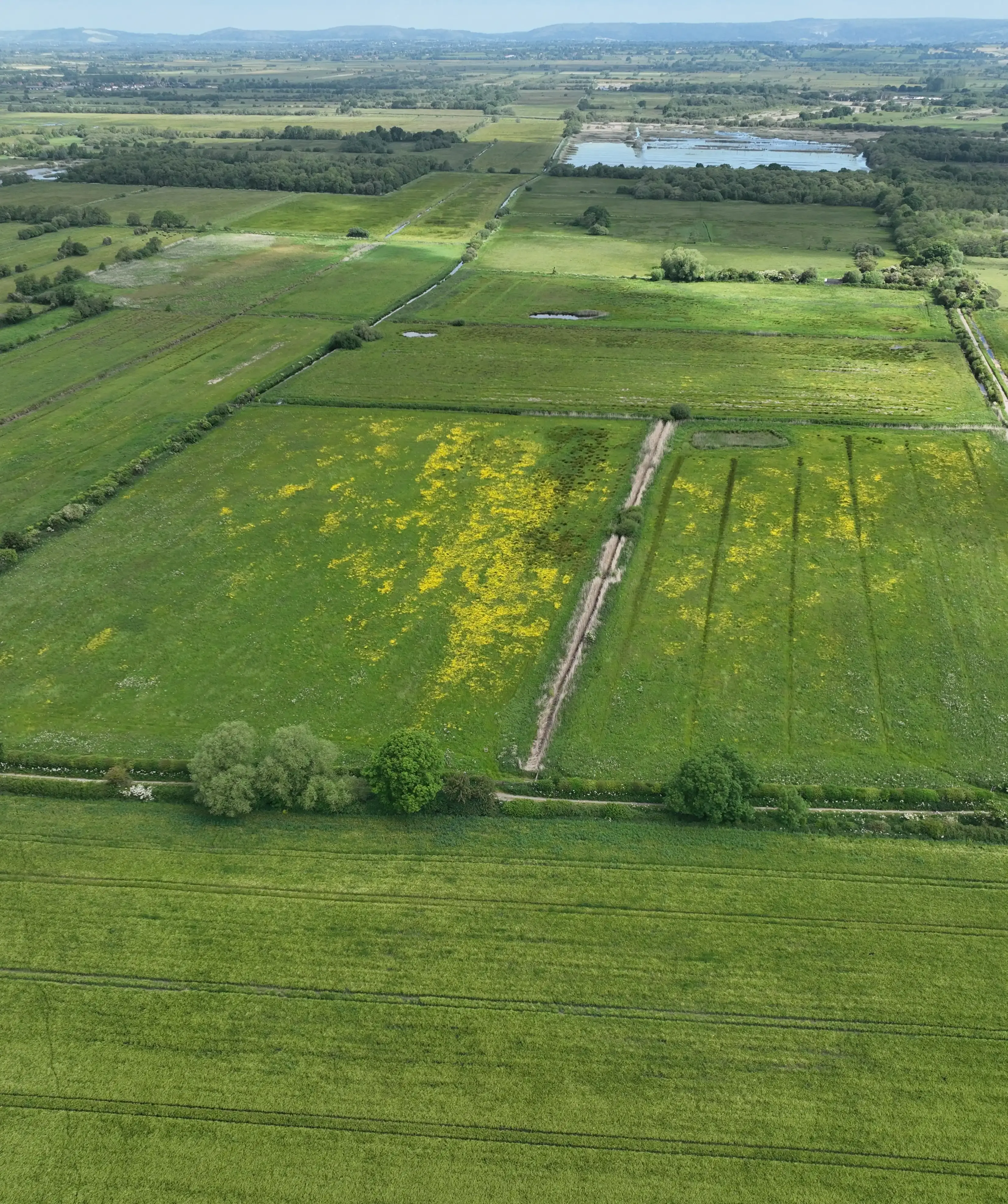
Part of the Avalon Marshes and adjacent to the Somerset Wetlands National Nature Reserve, Shapwick Moor is part of an extensive landscape shaped by centuries of human activity, from traditional hay meadows to peatland farming.
Today, this hidden gem is being returned to nature, with the Hawk and Owl Trust reinvigorating and revitalising the land to support birds of prey and a broad spectrum of wildlife.
You may have seen Shapwick Moor on a recent episode of BBC Countryfile, broadcast on 23 September 2025 and available to watch on BBC iPlayer here: https://www.bbc.co.uk/iplayer/episode/m002mrdv/countryfile-somerset-levels. The episode took viewers on an immersive journey through the Somerset Levels and showcased the amazing conservation work being undertaken in the county.
One highlight included Alex Learmont, Reserve Warden for the Hawk and Owl Trust, together with a team of dedicated volunteers being filmed as they waded about trimming willows; this work aimed to ensure that wetland scrapes remain wet, protecting habitats craved by rare beetles and crested newts.
Later in the show, veteran conservationist Chris Sperring, who has worked with the Hawk and Owl Trust for more than thirty years, explained how careful management of field margins can deliver mutual benefits to wildlife and farmers.
Shapwick Moor can be accessed all year-round and visitors can expect to find many different animals, including:
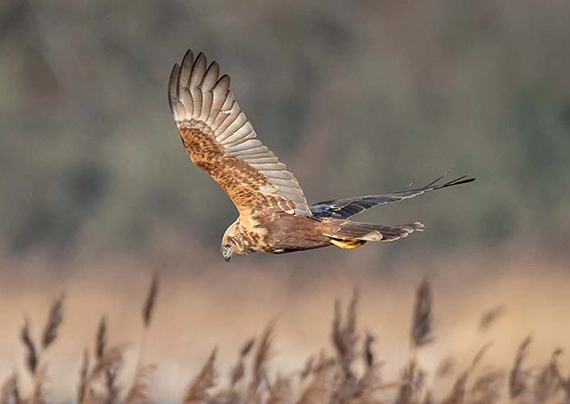
- Kestrels, barn owls, sparrowhawks, marsh harriers
- Herons, lapwing, kingfishers, and reed loving warblers
- Small mammals such as field voles, supporting birds of prey
- Wetland dependent species that rely on the rejuvenated waterways and grasslands
Support wetland management by the Hawk and Owl Trust
The Hawk and Owl Trust is a registered charity that relies on the generosity of its supporters to fund its conservation projects. Please consider making a donation or becoming a Trust member to support wetland management and other initiatives to protect and support birds of prey.
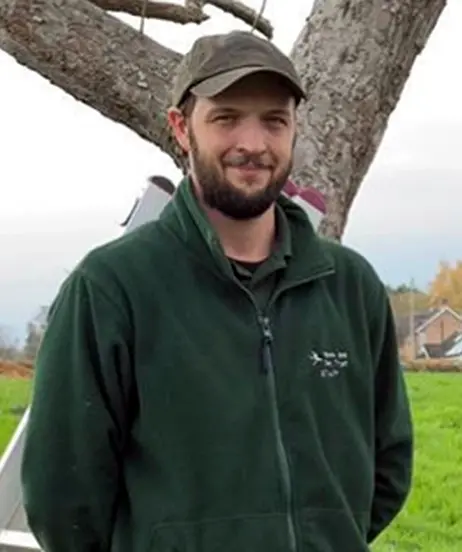
Joel Cox has turned a lifelong love for birds of prey into a hands-on conservation career with the Hawk and Owl Trust. We spoke to Joel about his journey into conservation, the importance of nest boxes, and what a typical day looks like in the field.
How did your journey with the Trust begin?
I’ve always been enamoured with birds. From a young age, I’ve been very outdoorsy, with a particular focus on birds, which came from my grandad. I became especially fascinated with birds of prey and eventually started working in falconry, flying raptors for public displays and experience days.
I became disillusioned with some of the outdated practices in the industry and wanted to shift toward conservation, working with wild birds instead of captive ones.
I started volunteering with Chris Sperring, Conservation Officer at the Hawk and Owl Trust, helping him to install nest boxes across Wales and Scotland. After a few years, a job opened up at the Trust, and thanks to that volunteer experience, I got my foot in the door.
What does your role involve?
My job title is Assistant Conservation Officer. My major focus is our Adopt-a-Box scheme - visiting landowners, farmers, and estate managers and installing bird of prey nest boxes on their land for them to be custodians of. These boxes are adopted by other people - similar to how you might symbolically “adopt” a panda – and I’m the one who will put them up and revisit them to monitor breeding success and carry out maintenance.
Landowners often come to us for advice on how they can encourage more birds of prey. So, my role is not just about climbing a tree and putting a box up – it's about engaging with people and advising on how to encourage different types of habitats for biodiversity.
I also spend time down at Shapwick Moor Nature Reserve in Somerset, helping to look after the site, and shadow Chris on various conservation projects.
What’s a typical day like for you?
It depends. On reserve days, I’m maintaining the buildings and hides, clearing vegetation and mowing paths to keep people on footpaths and protect the wider reserve. Recently, we’ve been clearing kilometres of willow trees along ditches in preparation for ditch reprofiling work. That’ll allow more water in, which benefits a lot of wildlife.
Wednesdays are typically volunteer days at Shapwick – coordinating with a group of guys who’ve been coming here for 20 years or more.
On Adopt-a-Box days, it’s planning visits, assessing sites, meeting landowners, and then getting stuck in. It’s long days, but it’s great fun. I get to see amazing places, help wildlife and birds of prey, and meet some incredible people who are plugged into the landscape and know a lot about their craft. It can be exhausting, but I wouldn’t have it any other way.
Since I started, we’ve installed more than 30 boxes, with many more to come.
Why are nest boxes so important?
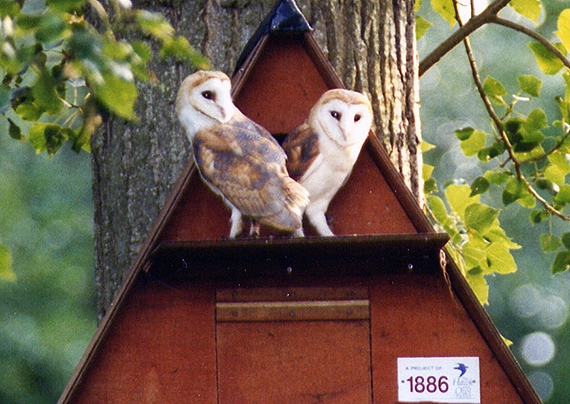
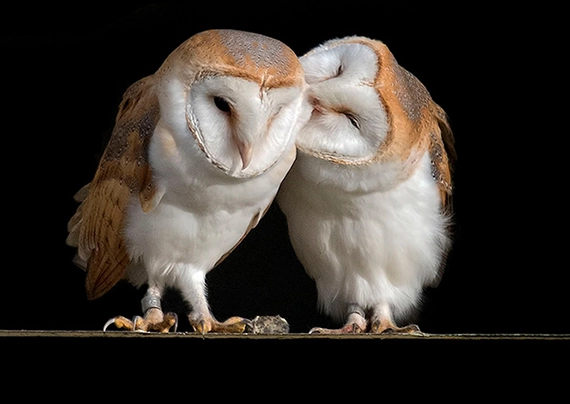
Natural nesting sites are disappearing. Barn Owls, for example, would typically nest in old rotten tree cavities, but there are so few big old trees now that most Barn Owl pairs – around 80% - now raise their chicks in provided nest boxes.
I’m especially focused on Little Owls, which are the fastest declining owl in the UK, mostly due to habitat loss and reduced insect populations from pesticide use (Little Owls are insectivores). Nest boxes give these birds a fighting chance.
Owls are predators at the top of the food chain, so a good population of owls is a strong indicator of a healthy ecosystem.
What are you looking forward to in the year ahead?
Completing the South East project – installing boxes across Kent and beyond. Then comes the most exciting part: revisiting sites during the next breeding season to see if the boxes have been used. That’ll be really satisfying.
Any myths you’d like to bust around birds of prey?
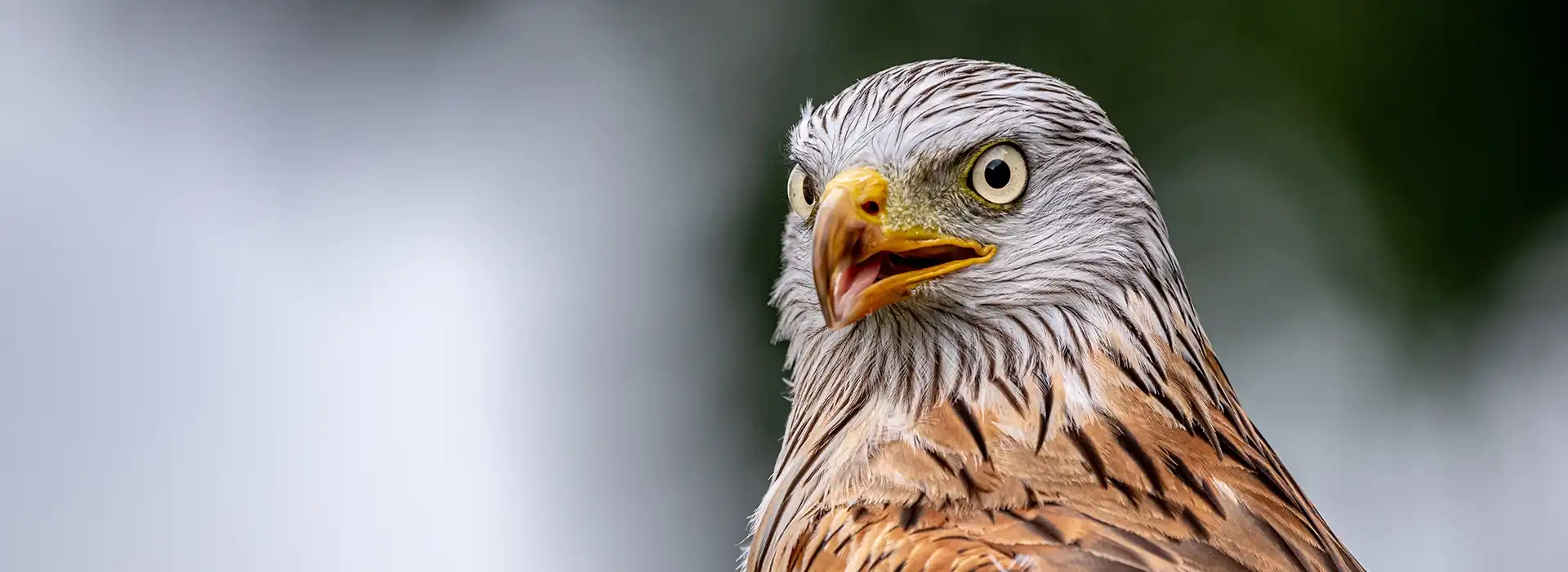
Red Kites have been unfairly demonised. Some people think they’ll snatch pets or babies – but they’re scavengers, not hunters. Despite their size, Red Kites are lightweight and their feet are too small to carry large prey. They mainly eat roadkill and small prey like mice, voles and earthworms. They’re beautiful, misunderstood birds.
Is there a wildlife moment that has stuck with you?
As a child, I once saw a Barn Owl flying alongside our car. It was probably only five seconds before it peeled off into the field but felt like minutes. That sort of encounter makes you catch your breath and go, “Wow.” They’re out there – always out there – so rarely seen and so beautiful.
How can people start connecting with nature?
Look up and listen for the birds. It’s a whole other world, all around you all the time.
Sit quietly for 10 or 20 minutes and just tune in. You’ll be amazed at what reveals itself. Every sound, every movement – it’s all part of their language. They’re deeply connected to each other and their surroundings in ways we often overlook. I’m guilty of it too. But when you stop to take it in, you realise: it’s a very special thing.
If Joel’s story has inspired you, there are plenty of ways to get involved in conservation through the Hawk and Owl Trust. Visit one of our local Norfolk or Somerset reserves to experience the beauty of nature firsthand, support our work as a member, or take the next step by volunteering with us.

In spring 2024 a number of Black-headed Gulls were present on the new scrap at Sculthorpe Moor in such numbers they attempted to breed, but all subsequently failed, initially through an increase in water levels causing a number to abandon, and finally the few remain abandoned later, possibly due to a predator, with no breeding recorded in 2024.
A number of Mediterranean Gulls were seen in small numbers amongst the Black-headed Gulls, leading to a hope they may also settle and attempted to nest, but it subsequently turned out these were just spring migrants moving through, presumable drawn to the site by the number of Black-headed Gulls.
On 7th April a pair of adult Mediterranea Gulls were present, one which was carrying a blue leg ring, which at the time appeared to be 5A75. This bird was from a Spanish colour ringing project, but when reporting the ring to the Spanish ringing scheme in San Sebastian, the ring 5A75 had not been used yet, and it appeared it could not be assigned to a specific bird.
A short article appeared in the November 2025 addition of the North-East Norfolk bird club bulletin which related to a Mediterranean Gull seen on the Sheringham playing field next to the cemetery, this bird being 5A25, on 15th and 20th October 2025. It became apparent the 2 had been misread as a 7 at Sculthorpe on 7th April.
The bird had been ringed as an adult on 23rd January 2024 at Entre Rota y Chipiona, Cadiz, a movement of 1876km.
Our Mission
We believe in a world where birds of prey and their habitats are safe, thriving, and accessible for all to experience and protect.
Through dedicated conservation efforts, research, and education, we work tirelessly to preserve these magnificent species and the environments that support them.
How You Can Help
Your support makes our conservation efforts possible. There are many ways to get involved:
Become a Member, Volunteer or Donate
Join our community and gain exclusive access to member events, updates, and more. Every donation directly supports our projects and conservation efforts.
Experience the Wild
Visit our nature reserves and witness raptors in their natural habitats. Our reserves are open to the public, offering a unique opportunity to see conservation in action and connect with nature.
Plan Your Visit
From walking trails to guided tours, our reserves offer a memorable experience for all ages.