
 Most visitors to Shapwick Moor Nature Reserve come for the sweeping views over the Somerset Levels or the chance to spot some of the region’s iconic birds. But beneath the surface of its quiet ditches and seasonal ponds, a hidden world has been coming to light. Over the past seven years, marine and freshwater biologist Dr Nick Sheffrin has been studying the reserve’s wetlands up-close, uncovering a rich community of aquatic invertebrates and several nationally rare species.
Nick’s journey began in 2016, shortly after retiring from a career in education as a biologist and head of science teaching A-level students. Armed with a doctorate in research methods and a lifelong passion for wetlands, he started taking monthly samples from a single ditch on the reserve. What began as a personal project has grown into a treasure trove of data and discoveries.
A reserve like no other
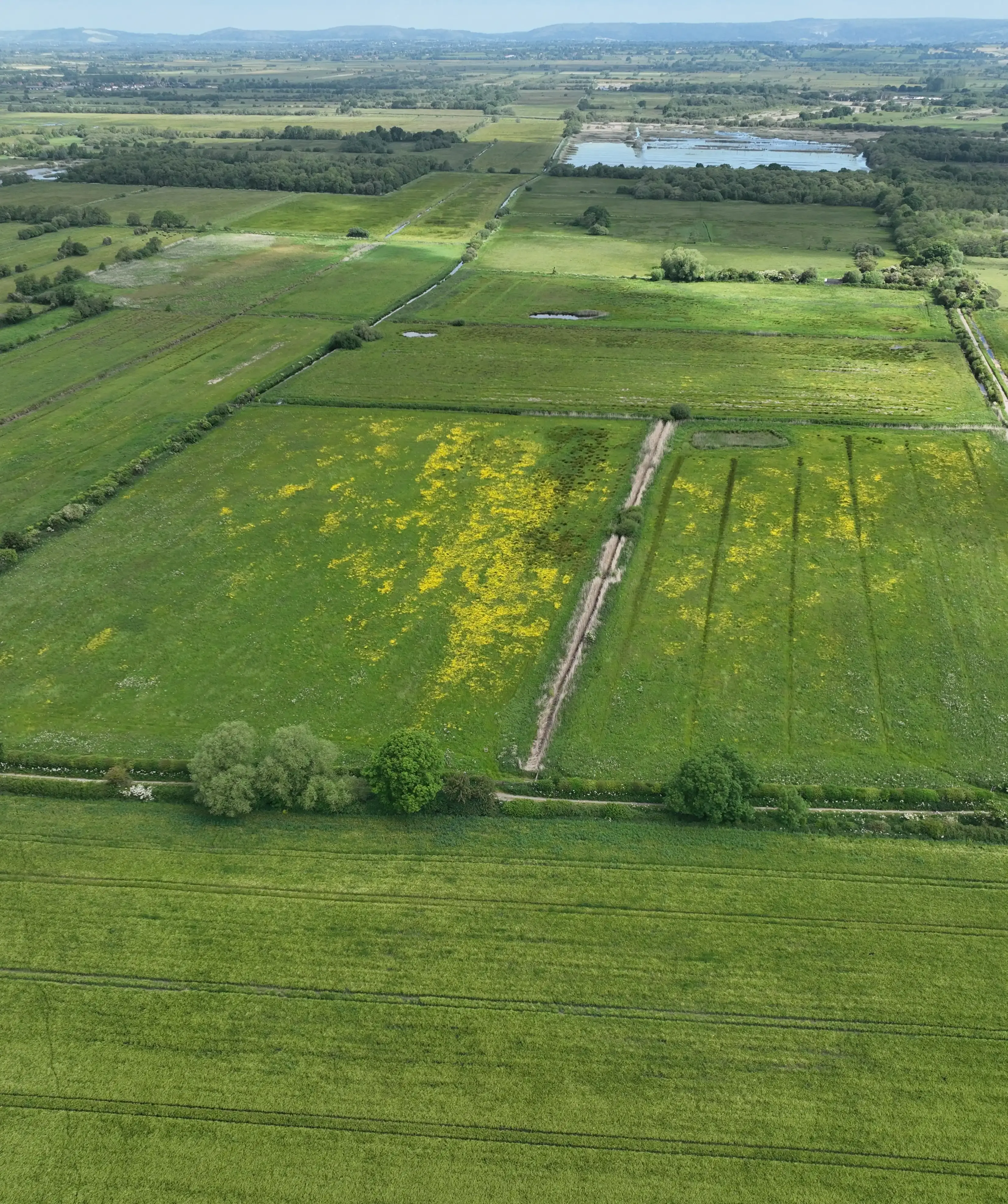
Shapwick Moor is special. Its four miles (6 km) of ditch systems form a unique linear habitat that stays wet year-round, even during drought seasons. Alongside these ditches are established ponds and shallower ‘scrapes’, which dry up in summer and refill in winter.
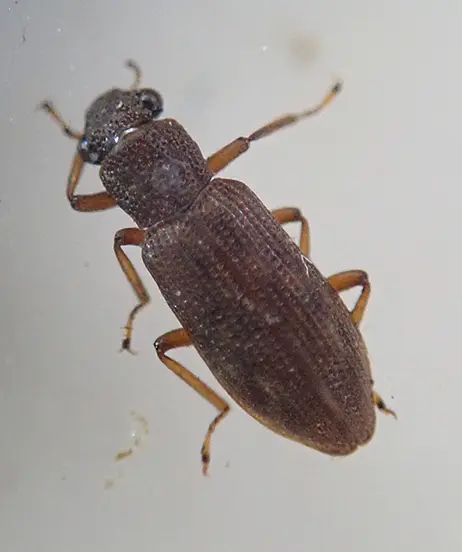
These habitats have proven to be a refuge for some of Britain’s rarest aquatic beetles. Among Nick’s most exciting finds are the great silver diving beetle (Hydrophilus piceus) and the even rarer lesser silver diving beetle (Hydrochara caraboides). These species are nationally significant and their presence at Shapwick Moor speaks to the quality of habitat the reserve provides. Other endangered beetles have turned up too, showing just how important these small, often-overlooked places can be.
Nick has also been helping to confirm the presence of great crested newts on the reserve. Elusive at the best of times, they have been detected in the surrounding vegetation with the help of specially trained sniffer dogs.
Seven years of data and counting
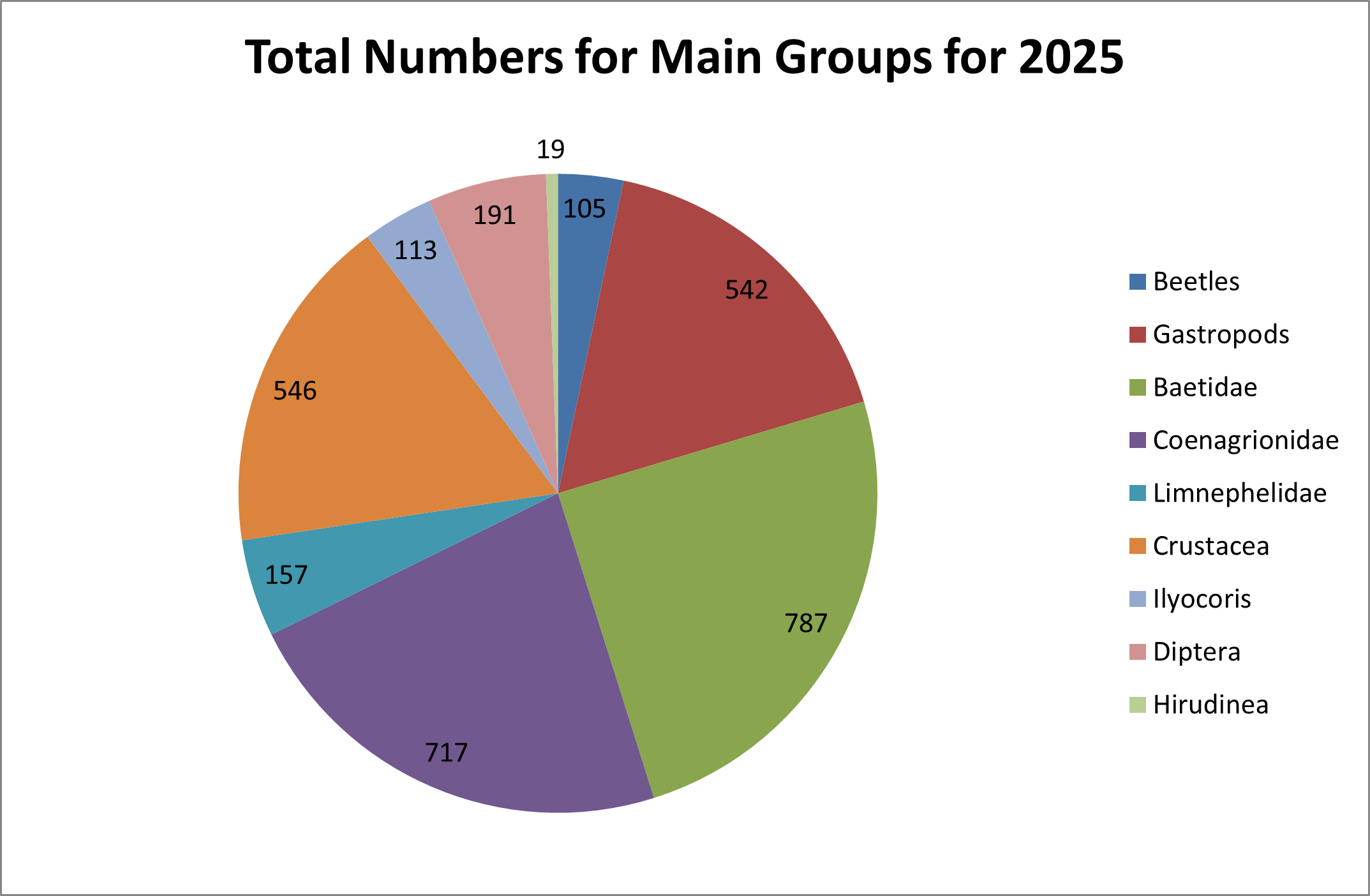
While some wildlife surveys simply record which species are present, Nick takes a more detailed approach. Every month, he spends around two hours sampling the same spot, counting not just which species he finds, but how many individuals of each. This consistency is what makes the dataset so valuable: it reveals patterns that a one-off survey never could.
“You can see patterns and trends,” he says. “I know what eats what, and maybe there are some links there.”
His findings reveal intriguing ecological trends.
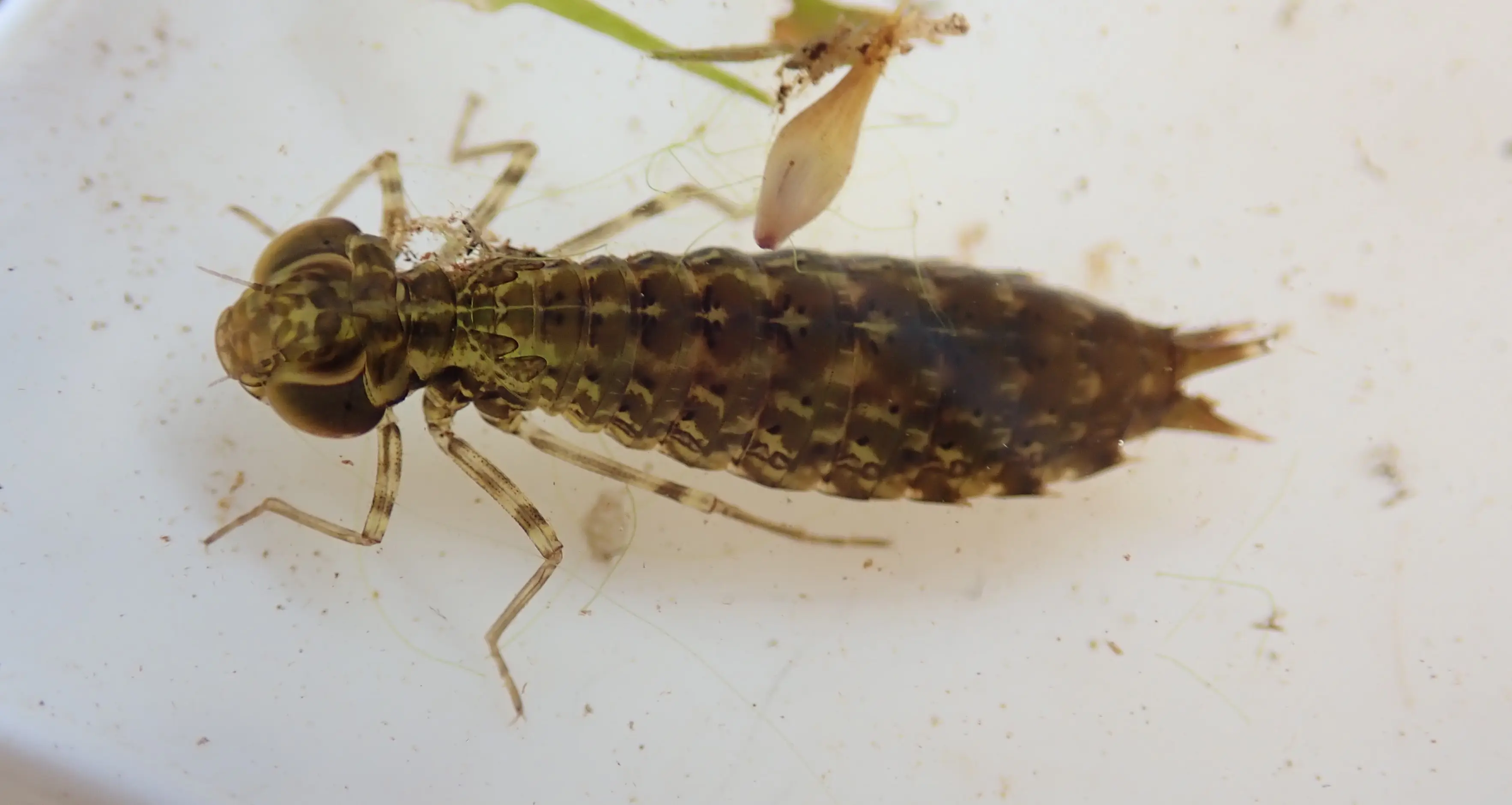
Snail numbers drop in summer, while flatworms and leeches – which like to feed on snails – become more visible, possibly emerging to seek out other food sources. Saucer bugs, which have needle-like mouthparts and feed on beetles, rise and fall in step with their prey. Caddisfly, mayfly and damselfly larvae each peak at different times of year, neatly sidestepping competition with one another. And as cold-blooded creatures, aquatic invertebrates of all kinds become more numerous as water temperatures rise through the warmer months.
Water chemistry matters too – and one of the biggest concerns for wetlands in this part of England is phosphate pollution. “What we've got in the Avalon Marshes is some really good aquatic wetland, threatened by phosphate,” explains Nick, adding that “phosphate itself is not toxic to an animal”.
 Phosphate is a naturally occurring nutrient, essential for plant growth. It enters waterways from a range of sources: agricultural fertilisers and livestock, treated sewage, and even the droppings of birds nesting nearby. The problem arises when there's too much of it, fuelling a process called eutrophication.
An overload of phosphate acts like a shot of fertiliser for algae and fast-growing aquatic plants. They bloom rapidly, blanketing the water's surface and blocking out light. When they eventually die back, bacteria get to work breaking down the dead matter, and in doing so consume large amounts of oxygen. The water becomes starved of oxygen, and other pondlife – invertebrates, fish, amphibians – can struggle or die as a result.
Environmental challenges and resilience
Phosphate is not the only environmental challenge the reserve faces. Invasive species and changing weather patterns also have an impact. One example is the American freshwater shrimp (Crangonyx), which has displaced its native counterpart (Gammarus).
Yet, despite all of these pressures, aquatic invertebrate populations remain remarkably stable. “They don’t seem to have been affected by dry summers or phosphate pollution,” Nick notes. “The aquatic environment is quite buffered.”
This resilience owes much to proactive water management. Over the past decade, interventions like sheet dams and flap valves have kept the reserve wetter, while projects such as Wessex Water’s proposals for a new Integrated Constructed Wetland – a purpose-built system that filters water naturally before it reaches the ditches – aim to protect its delicate balance.
Beetles to birds
Aquatic invertebrates might be small, but they play a vital role in the wider ecosystem. They feed bats, swifts, swallows, martins and even hobbies, which hunt emerging dragonflies and damselflies in summer. “There’s food coming out of those ditches for the bird species,” Nick explains.
His work also highlights the importance of long-term monitoring for conservation. “I’ve recorded over 100 species of aquatic invertebrates over the years,” he says. By keeping consistent records, he is helping to build a valuable resource for local conservationists.
A hidden world worth discovering
Nick’s message is simple: look closer. Beneath the surface of Shapwick Moor’s wetlands is a vibrant and intricate world, from rare beetles and delicate larvae to the web of relationships that links them all together.
Whether you’re a seasoned naturalist or a first-time visitor, the reserve offers an opportunity to experience something special. And with guided walks, pond dipping and regular wildlife updates, there is always something new to discover.
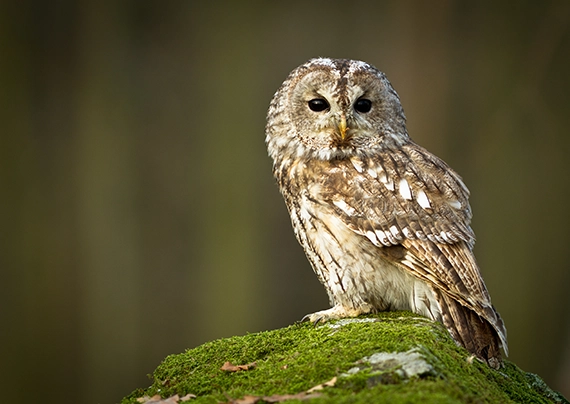
Want to learn more or get involved? Visit the Hawk and Owl Trust website for updates on conservation projects and upcoming events.